
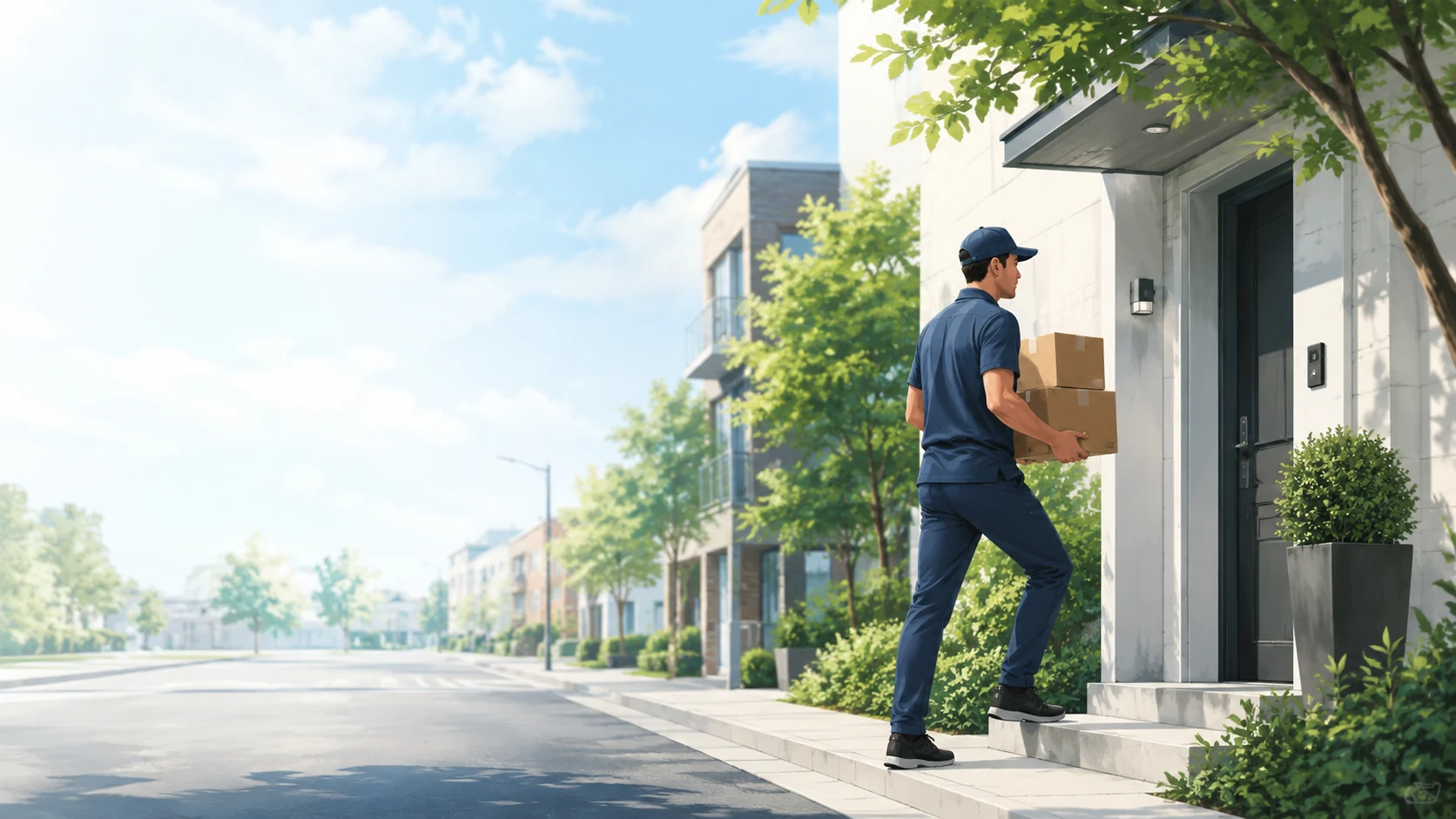
For couriers & gig drivers
A dash cam for delivery drivers
Dozens of stops a day, tight driveways, strangers’ claims. One honest witness on your windscreen — built for the road and your vehicle, not the doorstep.
The exposure
More miles, more strangers, more claims
A delivery shift is not a commute. You cover 100 to 300 miles, reverse into driveways and loading bays you have never seen, and meet dozens of people who have never seen you.
When a bumper is already scuffed or a gate is already cracked, the easy story is that the courier did it. Without a record, it is your word against theirs — and on their street, you are the stranger.
The honest 30-second answer
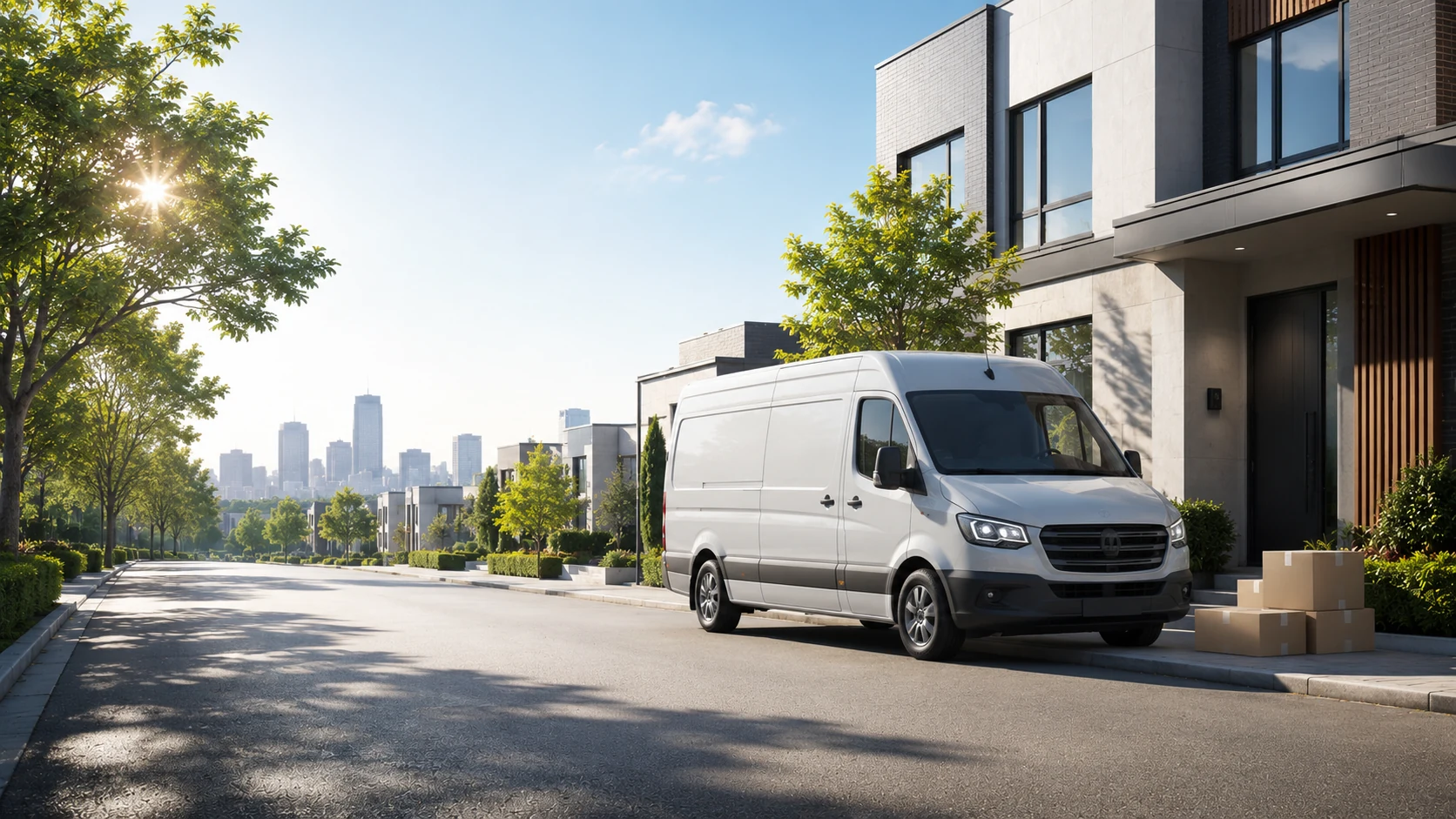
A dash cam is your road and vehicle witness: false damage claims, backing dings, parking-lot hits, road disputes, and hit-and-runs while you are parked. That is where it earns its place.
What it is not: a doorbell or porch camera. It films the road and the area your lenses can see — not the package handoff at someone’s door. Set that expectation, and it is one of the most useful tools a delivery driver can fit.
How it plays out
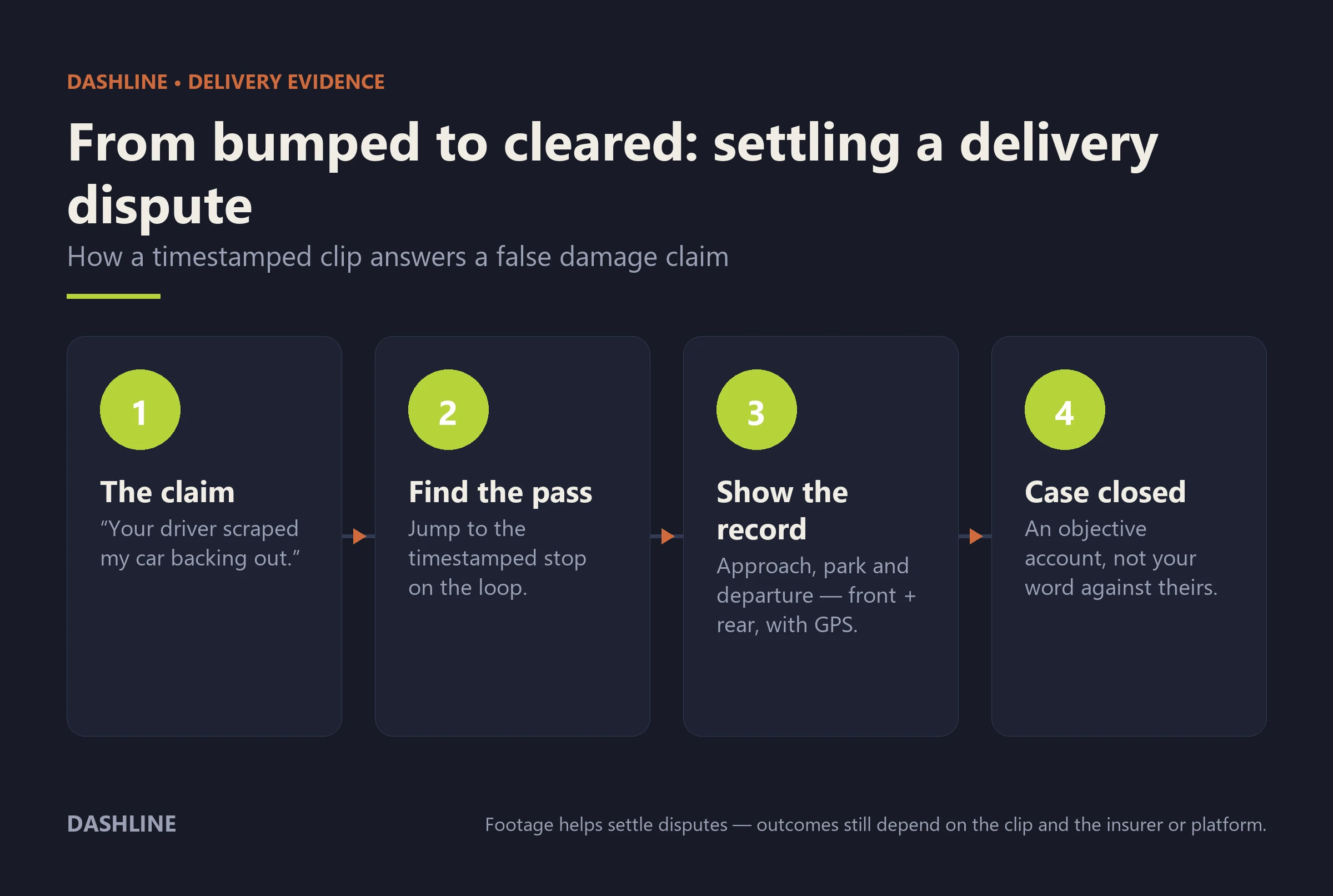
One scuffed bumper, one timestamped clip
The most common gig-driver headache is a damage claim for something you did not do. Here is how an honest record answers it.
A day on the route
Pick a moment from your shift
A delivery day is the same five moments on repeat. Tap through them to see exactly where a dash cam helps — and where it does not.
Moment 01 · on the road
The long leg between stops
Most of a shift is the drive itself — hundreds of miles past drivers who are not expecting a courier to brake hard for a missed turn. A rear-end shunt or a sudden cut-in is the classic “not my fault” that becomes “prove it.”
What the camera does: a continuous front record with a GPS and speed stamp, so the moments either side of a collision are on the clip, not just your memory.
Moment 02 · at the drop
Backing into an unfamiliar driveway
You reverse into driveways, alleys and loading bays you have never seen, often with a wall, a low post or a parked car just out of the mirror. Tight, repeated reverses are where a lot of delivery scrapes actually happen.
What the camera does: the rear channel covers the angle the windscreen cannot — what was behind you as you backed in and pulled away.
Moment 03 · while parked
The parking-lot ding you never saw
You double-park, dash to a lobby, and come back to a fresh scuff — no note, no witness. Or a shopping cart rolls into the door while you grab the next bag.
What the camera does: with parking mode and power, it can capture an impact while you are away — though true overnight watch needs a hardwire and a low-voltage cutoff.
Moment 04 · after the fact
“Your driver damaged my car”
Hours later, a claim lands: a scratch, a clipped gate, a mirror. The bumper may have been scuffed before you arrived. Without a record, the platform or insurer is choosing whose story to believe.
What the camera does: a timestamped clip of your approach, park and departure turns it from your word against theirs into an objective account.
Moment 05 · the flashpoint
The merge that turns into road rage
Squeeze a delivery into a tight schedule and someone eventually leans on the horn, brake-checks, or gets out. Tempers and traffic do not mix well on a deadline.
What the camera does: front footage with audio records what was said and done — useful if a confrontation escalates. Remember it records you too, so keep it professional.
Spec that actually matters
Three things a delivery setup needs
Ignore the marketing. For a working courier, three things decide whether a camera earns its keep.
01
Front + rear coverage
You reverse into driveways and bays all day; the rear lens covers what the windscreen cannot. A front and rear setup is the one that fits a delivery route.
02
Fast start + parking mode
Dozens of ignition cycles a shift means a slow camera misses the first seconds. A quick boot keeps gaps small, and parking mode keeps watch at the drop-off.
03
Local storage, endurance card
High mileage means heavy loop writing. A high-endurance microSD and subscription-free local storage keep your last clips safe — with no monthly fee eating your margins.
After the bump
How a footage-backed claim plays out
Evidence only helps if you keep it. Here is the honest sequence from incident to outcome.
Day 0 · the incident
Secure the clip before it loops
A claim is coming, or you felt the bump. Lock or export the clip the same day — loop recording overwrites old footage, so the file you need has a shelf life.
Day 1 · report
Attach the timestamped footage
File with your platform or insurer and include the clip. The GPS, speed and time stamp tell them where you were and what happened, without a paragraph of explanation.
Days 2–7 · review
An objective record, reviewed
Instead of weighing two opposing stories, the reviewer watches what actually happened — approach, contact (or none), and departure.
Resolved · outcome
Decided on evidence, not opinion
A clear clip is hard to argue with. It does not guarantee the result — outcomes still depend on the footage and the reviewer — but it puts the facts on your side.
The fit
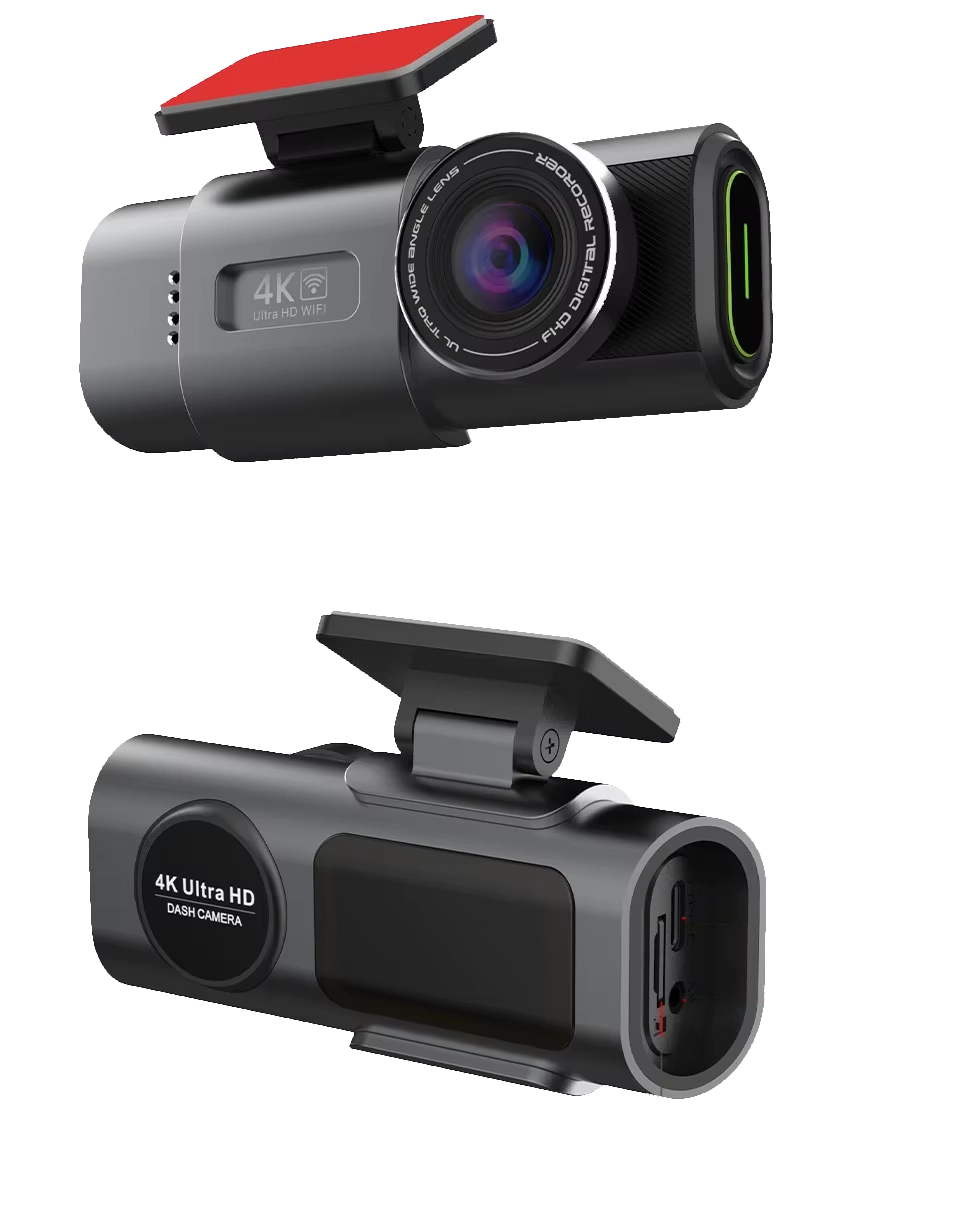
Built around the Dashline 4K
Front 4K for the road and the merge, a rear channel for everything you reverse into, a GPS and speed stamp on every clip, and parking mode for the drop-off — all on subscription-free local storage with a card in the box.
Honest notes: the rear channel records at 1080p, and plate readability still depends on speed, distance and light. It is an evidence camera, not a guarantee.
Where it stops
What a dash cam can’t do for you
Honesty is the point. A delivery dash cam is powerful in its lane — and these are the edges of it.
It is not a doorstep camera
It films the road and the area around your vehicle, not the package handoff at someone’s door. For proof of delivery, use your app’s photo capture.
Plates are not guaranteed
Whether a number plate is readable depends on speed, distance, angle and light. A clear plate is a bonus, not a promise.
It records you, too
Your speed, your stops and your rolling stops are all on the clip. Drive like it is going to be played back — because it can be.
Overnight parking needs power
True 24-hour parking mode means hardwiring with a low-voltage cutoff. It draws from your battery, so it is a setup choice, not a default.
Pick your coverage
Three ways to kit out your shift
Start with the road, add the rear for the reverses, or take the full kit with 24-hour parking for the overnight drops. Every option is subscription-free.
Choose your setup
One camera. Three levels of protection.
From everyday recording to full 24/7 surveillance — pick the package that matches how you drive.
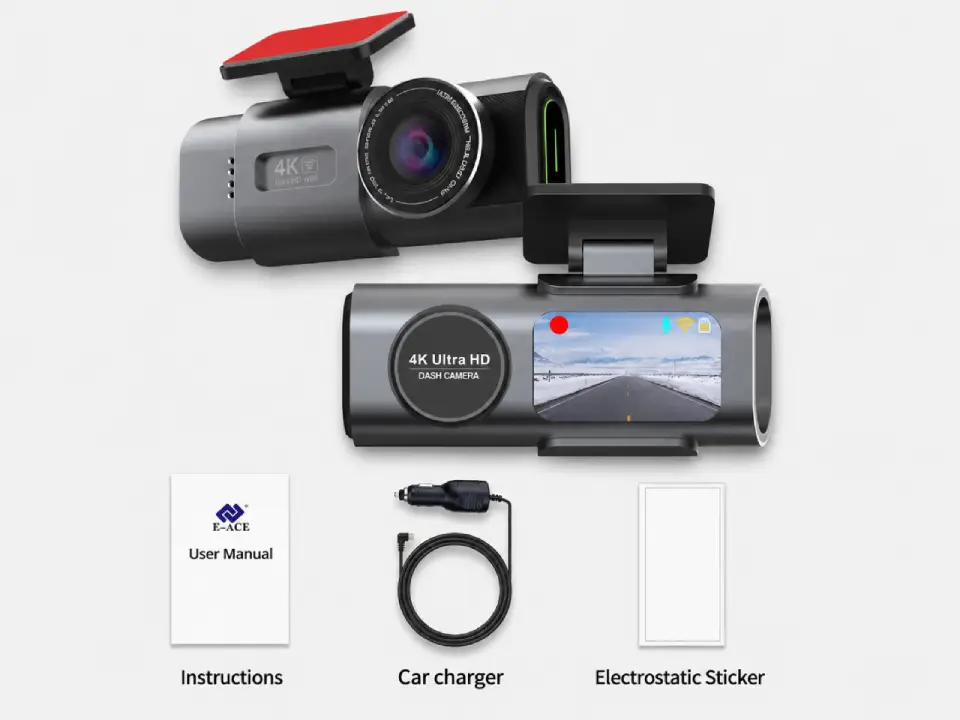
Standard
Package contents
- Front camera
- Car connection cable
- Magnetic sticker
Most popular
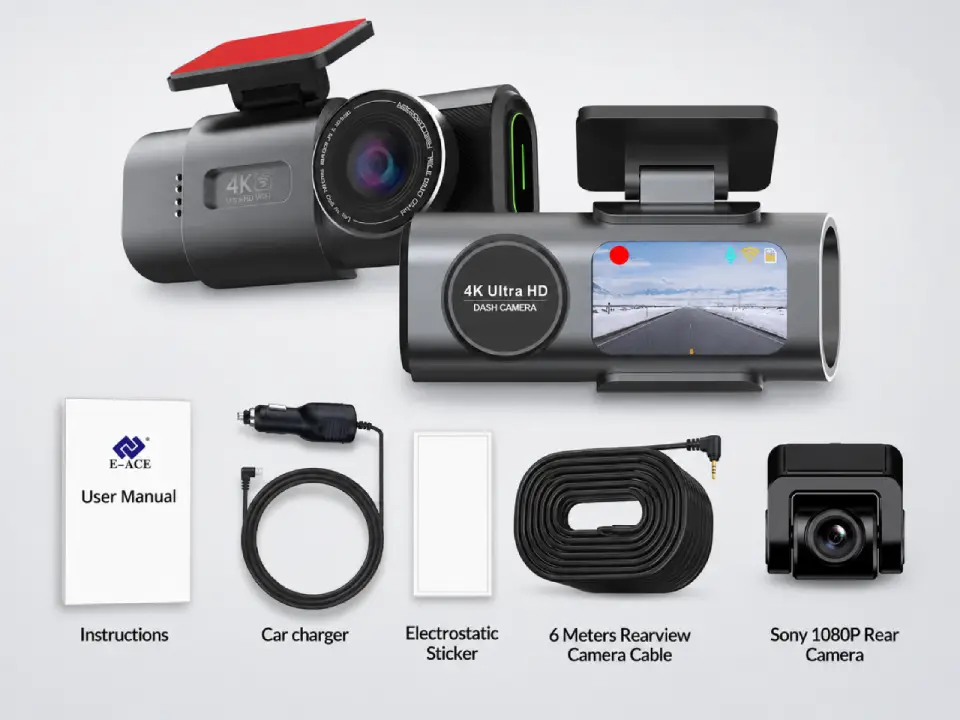
Dual Cameras
Package contents
- Everything in Standard
- Sony rear camera
- 6-meter connection cable
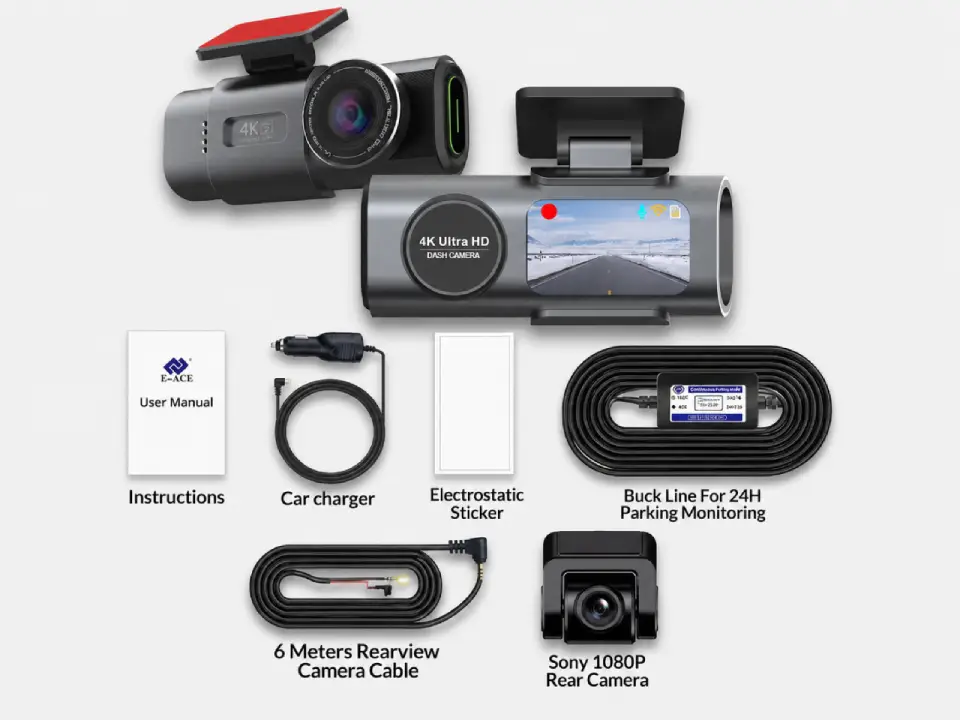
Full Protection
Package contents
- Everything in Dual Cameras
- 24h-compatible battery
- Live view from parked car
Free Shipping
5–10 days across Europe
Secure Payment
Apple Pay · PayPal · Stripe
2-Year Warranty
Full hardware coverage
30-Day Return
No questions asked
Questions from the road
Delivery dash cam FAQ
Do delivery drivers really need front and rear?
If you reverse into driveways, bays and tight stops all day, yes. A lot of delivery damage happens behind the car, where a front-only camera sees nothing. The rear channel covers exactly that angle.
Will a dash cam film me handing over the package?
Usually no. It points at the road and the area around your car, not the doorstep. For proof that you delivered, use the photo capture in your delivery app — the dash cam covers the driving and your vehicle.
Does footage stop false damage claims?
It does not stop them, but it answers them. A timestamped clip of your approach, park and departure is an objective record, which is far stronger than your word against a customer’s.
How big a microSD card do I need for a full shift?
For long days, a high-endurance 128GB or 256GB card gives you more hours before the loop overwrites. Endurance rating matters more than raw size for the constant writing a delivery shift puts on a card.
Will frequent stops and starts hurt the camera?
Dozens of ignition cycles a day is normal for delivery. The thing to check is boot speed — a faster start means fewer gaps in the first seconds after you switch on. Loop recording handles the rest.
Does parking mode drain my van or car battery?
True overnight parking mode draws a small current and needs a hardwire kit with a low-voltage cutoff, which protects your battery from going flat. For daytime drops, a quick impact-triggered mode uses far less.
Is it legal to record while delivering?
Filming the public road is generally fine in most places. Audio and recording on private property can have extra rules, and laws vary by country and region — check your local guidance. This is general information, not legal advice.
Which Dashline package suits a gig driver?
Most delivery drivers are best with the front and rear option for the reversing coverage. Add the 24-hour parking kit if you leave the vehicle loaded overnight or park it on the street.
WHAT IT COVERS ON SHIFT
Which delivery risks a camera actually covers
A dash cam earns its place on a delivery shift — but it’s honest to be clear about what it watches: the road and the car, not the doorstep.
- Lot scrapes and door dings while you’re parked at a pickup — a front+rear setup with parking mode catches these.
- Disputed at-fault claims on the road — the front camera is your witness for the drive itself.
- Tailgating between drops — a rear channel is what covers you here.
- What it won’t do: it faces the road, not the porch, so it can’t settle a “delivered / not delivered” dispute at the door.
Run several vehicles? The same logic scales with a subscription-free fleet setup; and when something does happen on shift, here’s what to do after a crash.
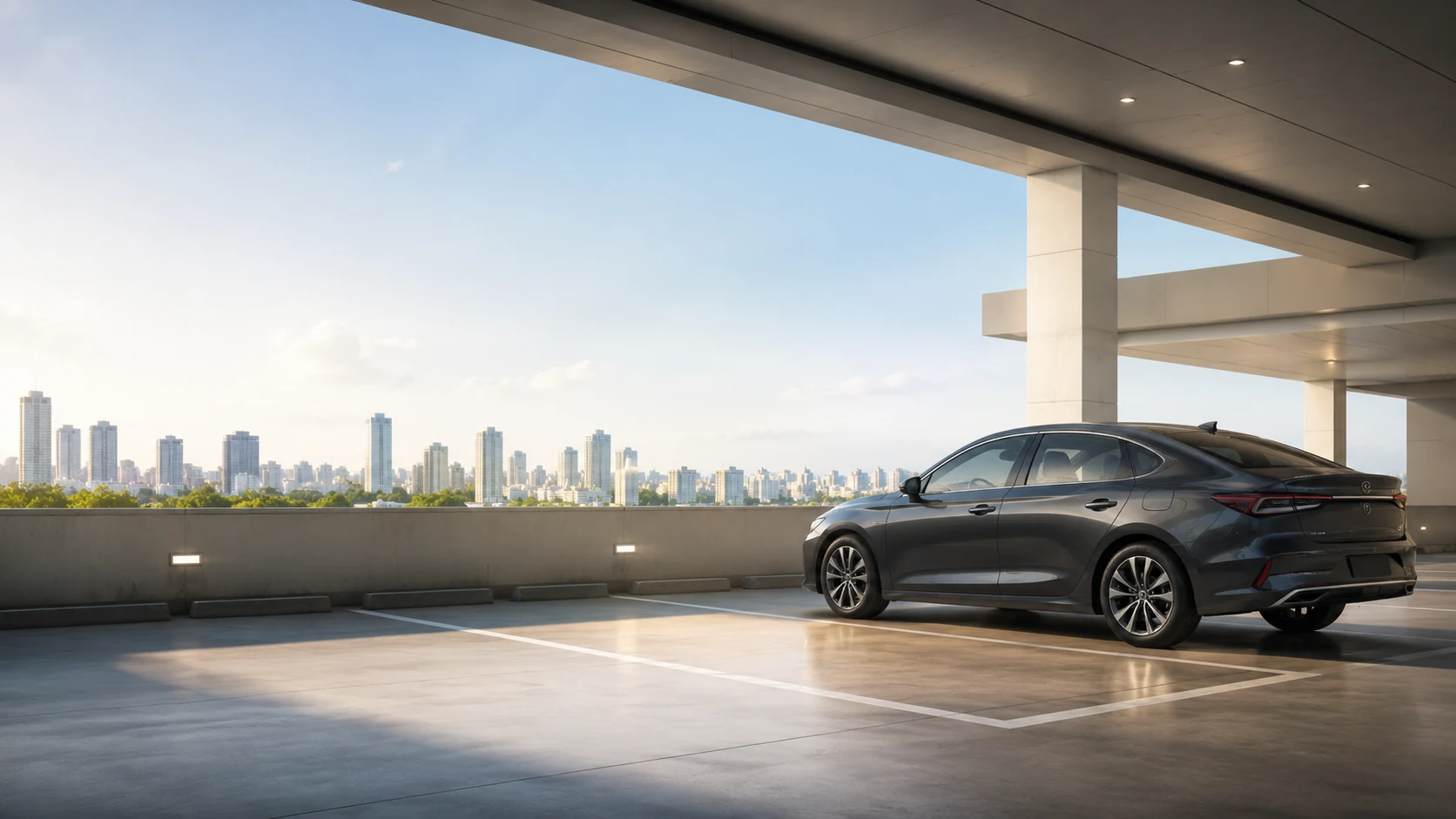
End of shift
Finish every shift with the receipts
Cover the road, the reverses and the parking lot — and let the footage do the arguing. Subscription-free, card included, ready for the route.
Leave a Reply