
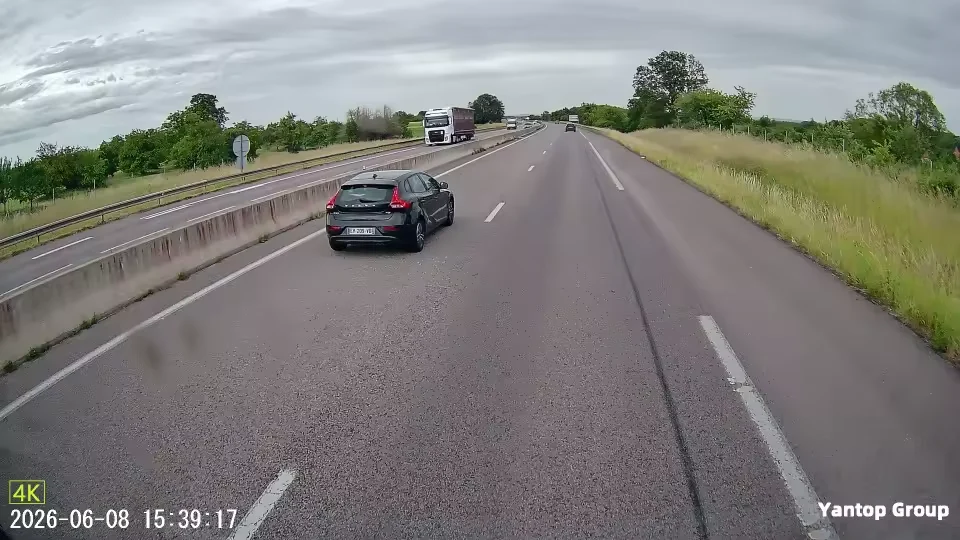
● REC · Road Rage
A Dash Cam Won’t Stop Road Rage
But it turns a terrifying he-said, she-said into a clear, time-stamped record. Here’s how to stay safe — and let the camera do the remembering.
The escalation nobody plans for
It starts with one bad merge
A horn. A tailgate. A brake-check. Most drivers never expect the moment a stranger decides to make it personal — and in the heat of it, the instinct to respond is exactly what turns a bad minute into a dangerous one.
Nearly 9 in 10 drivers say they have been the target of road rage (AAA Foundation, 2025). The question isn’t whether it will happen. It’s what you will have when it does.
The honest truth
A dash cam is a witness, not a shield.
It won’t intervene. It won’t protect your car or your body. What it does is record — continuously, with GPS, speed and a burned-in timestamp — so that when tempers cool and stories diverge, there is one version that can’t be shouted down.
Threat → response → what’s recorded
The playbook: disengage, don’t perform
Every safe response has the same shape: create distance, stay in the car, call for help — and let the camera keep the receipts.
Threat → response → what’s recorded
The playbook: disengage, don’t perform
Every safe response has the same shape: create distance, stay in the car, call for help — and let the camera keep the receipts.
Threat
1. Tailgating & brake-checking
Do this
Ease off, move right, let them pass. Never brake-check back or trade gestures.
The camera captures
Following distance, the erratic braking, your speed and the time — front view.
Threat
2. Being followed
Do this
Do not drive home. Head to a police station or a busy, lit public place. Call 911.
The camera captures
Their vehicle and plate, plus your route — proof you tried to disengage.
Threat
3. Boxed in or blocked
Do this
Stay in the car, doors locked, windows up. Keep a gap so you can pull away.
The camera captures
The blocking manoeuvre and any contact — front, and rear if you run two cameras.
Threat
4. They get out to confront you
Do this
Do not get out. Do not lower the window. Call 911 and describe the scene out loud.
The camera captures
The approach and the words — audio and video — handed straight to police.
If you feel threatened, your safety comes first — call 911. The recording is for afterwards, not for winning the moment.
90 seconds, second by second
A tailgate becomes a threat
Watch how a calm response and a running camera turn a frightening encounter into a closed case — no confrontation required.
90 seconds, second by second
A tailgate becomes a threat
Watch how a calm response and a running camera turn a frightening encounter into a closed case — no confrontation required.
0:00
The tailgate
A car rides your bumper, headlights flashing. You don’t react. The camera is already rolling in 4K, timestamp running.
0:20
You ease off
You signal, move right and slow to let them by. No gesture, no brake-check. Your lane change and their speed are logged.
0:40
They brake-check you
They cut in and stab the brakes. The front camera catches the cut-in, the hard brake and — with luck and light — the plate.
1:00
You back off and call
You drop back, don’t chase, and dial 911 at the next safe spot. One button locks the whole sequence so the loop can’t erase it.
1:30
Calm restored
They’re gone. You have a clean, time-stamped clip — not your word against theirs.
The scale of it
Road rage is common — and escalating
This isn’t a rare-event fear. It’s an everyday-driving reality, and the stakes have climbed sharply over the last decade.
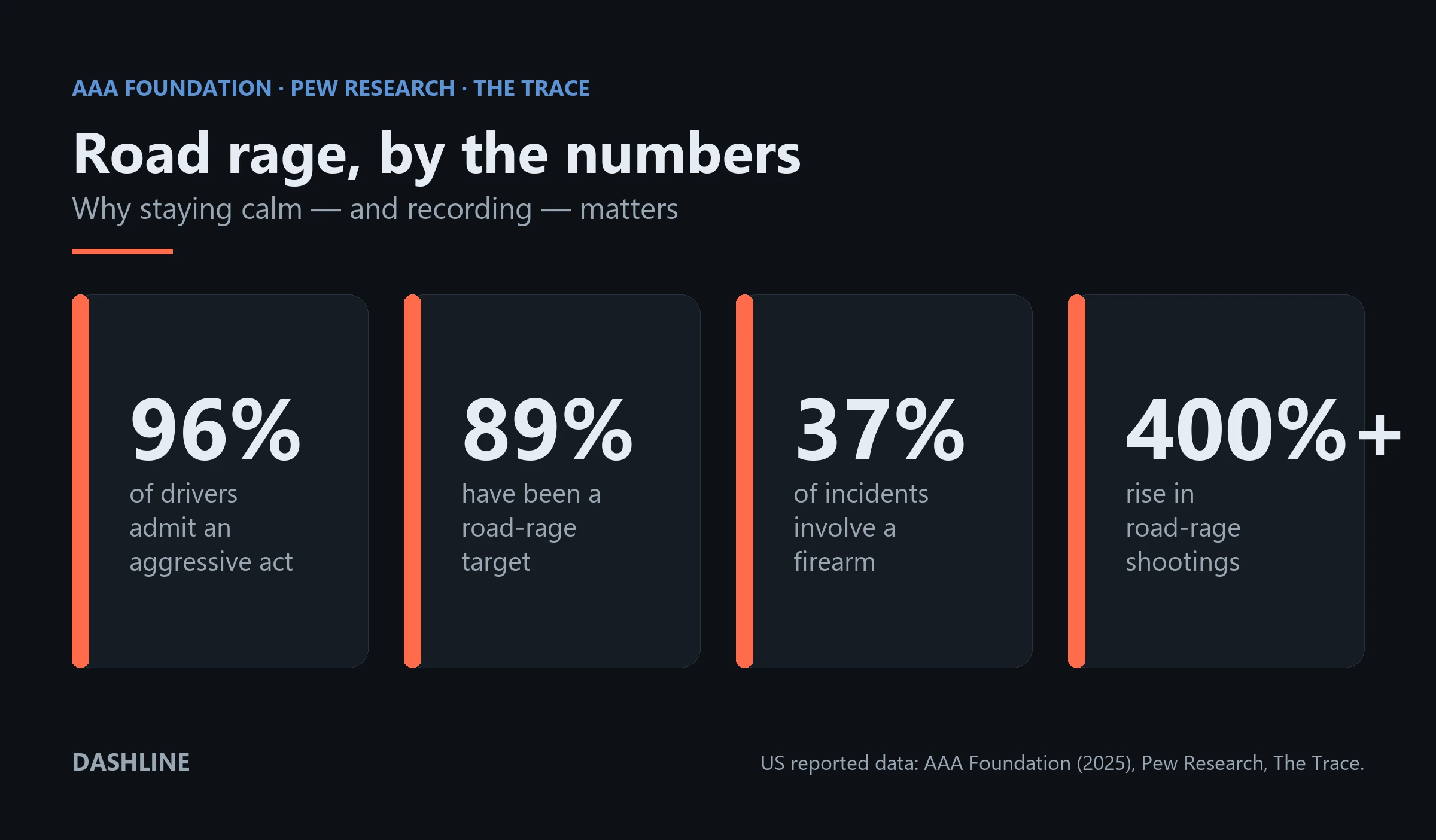
It’s also why an unemotional record matters so much. A dash cam once turned a staged crash into an arrest — the same principle applies when someone decides to make the road personal.
What ends up on the record
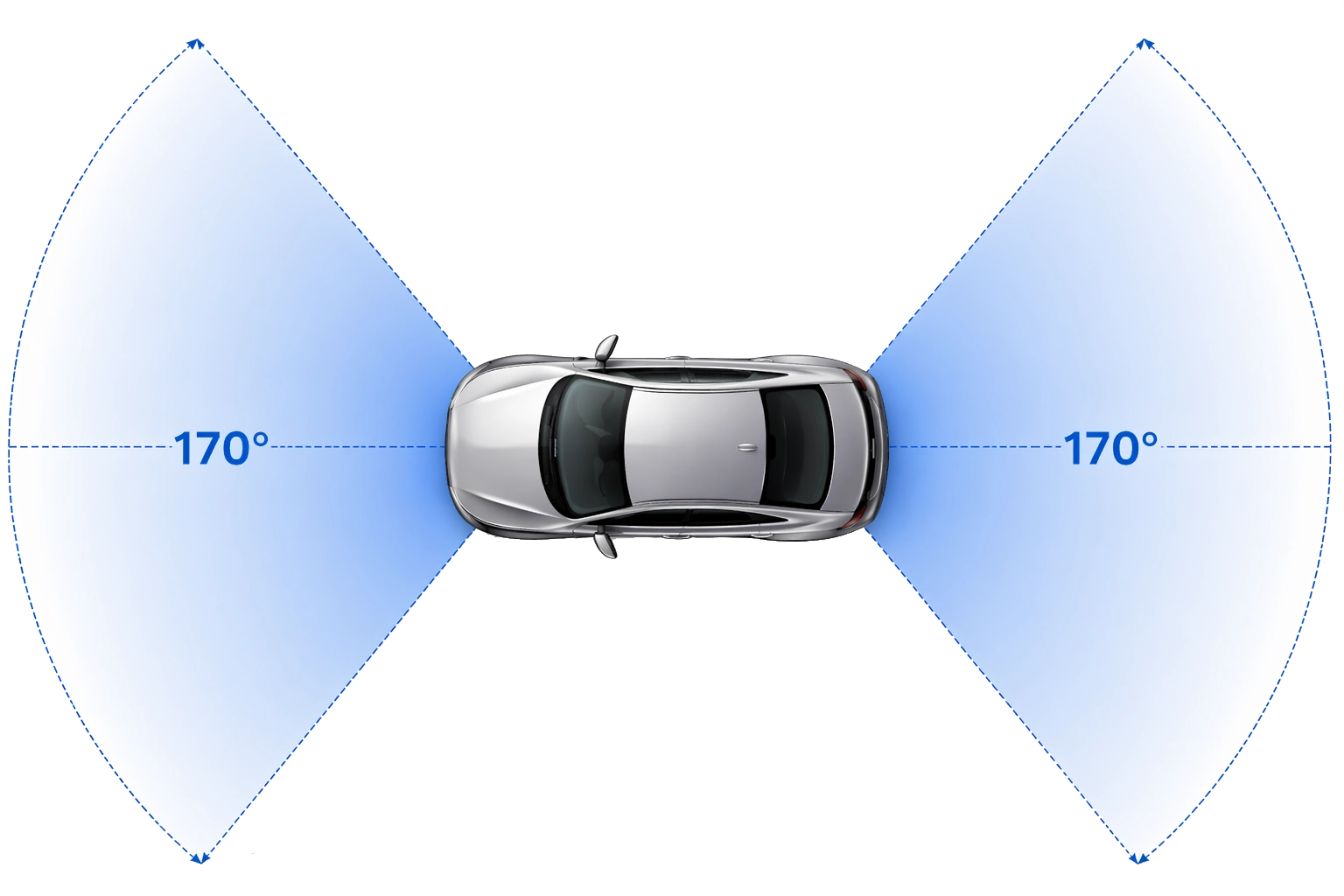
The whole lane, not just the road ahead
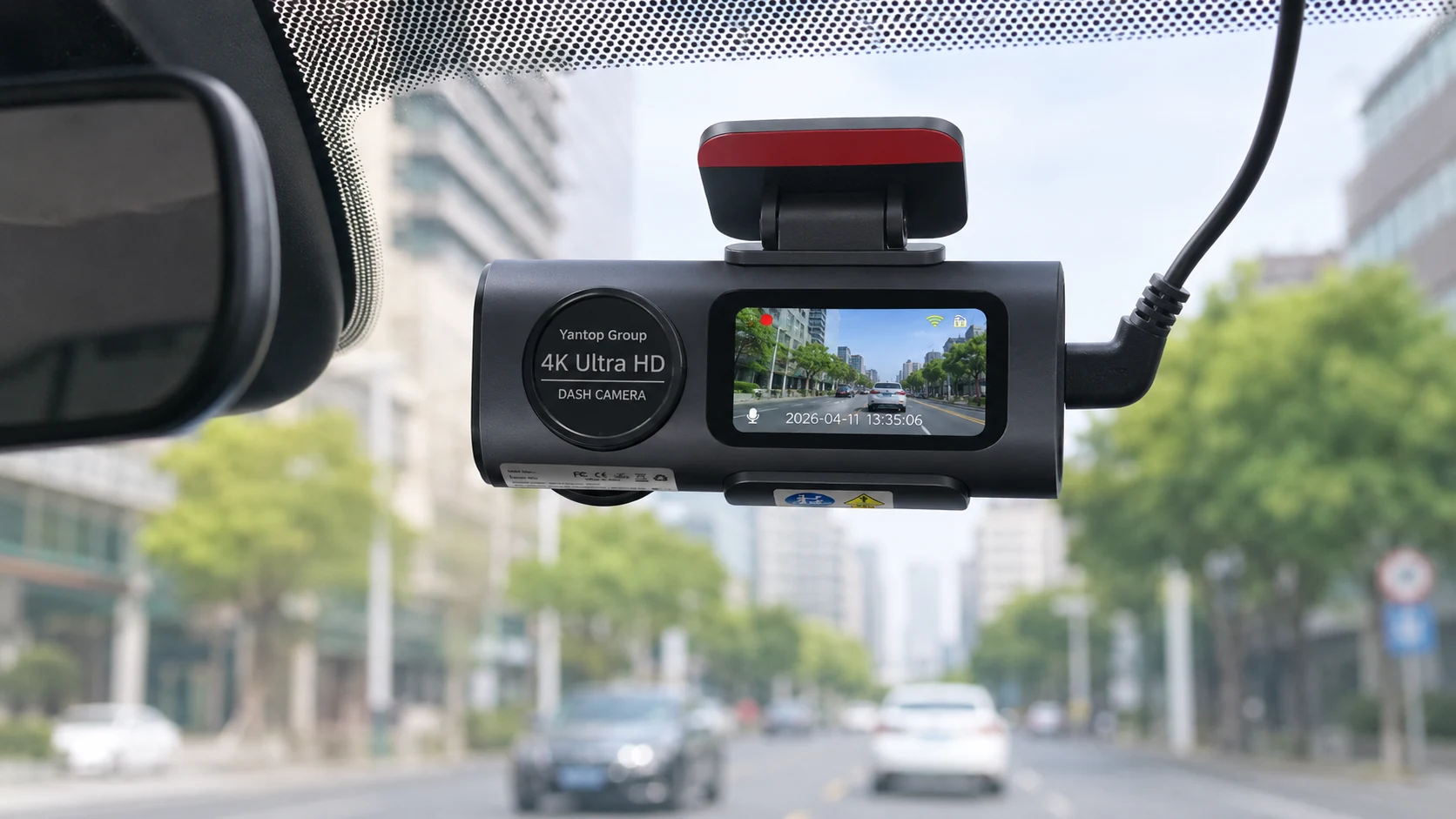
- The vehicle & plate — a 170° 4K frame captures the aggressor’s car and, when speed, distance and light allow, the plate.
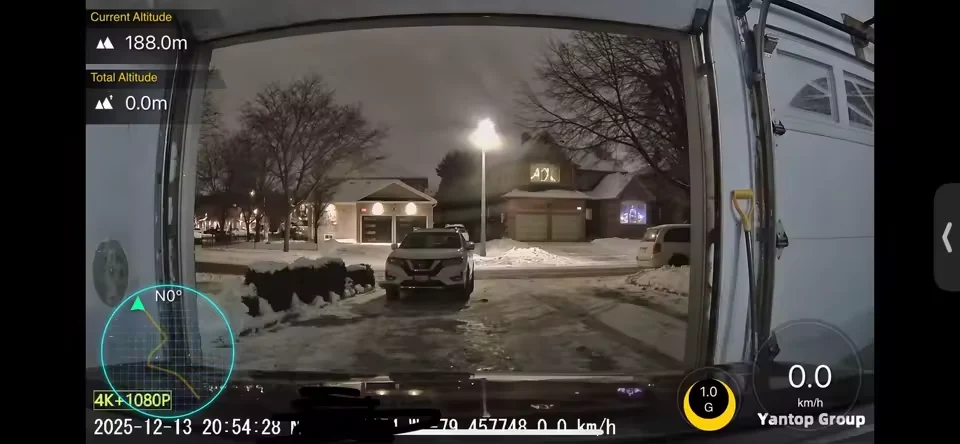
- GPS, speed & time — burned into every frame, so the sequence isn’t just visible, it’s dated and located.
- A one-button lock — protects the clip the instant it matters, then save it off the card before loop recording moves on.
Honest caveat: plate readability is never guaranteed. A moving plate in low light can blur — the camera captures the scene and the manoeuvre reliably; the plate is a bonus, not a promise.
Captured vs. guaranteed
What’s on the tape — and its limits
Captured vs. guaranteed
What’s on the tape — and its limits
| Signal | What it shows | The honest limit |
|---|---|---|
| Front view | The scene ahead in 4K — the cut-in, the brake-check, the contact. | Blind to the immediate sides; a very wide lens softens the far edges. |
| Rear view | The tailgater and anyone following you. | Only with a rear camera (Dual or Full). Front-only can’t see behind. |
| Licence plate | Often legible when the plate is close, lit and steady. | Speed, distance and darkness can blur it. Never guaranteed. |
| GPS, speed & time | Location, your speed and a dated timestamp on every frame. | GPS needs a clear sky-view; it can drift in tunnels or urban canyons. |
| Audio | A confrontation’s words, recorded alongside the video. | Consent rules vary by state and country — know your local law. |
Where honesty earns trust
What a dash cam won’t do
Anyone selling you a camera as road-rage armour is overselling. Here’s the plain version — the one worth trusting.
Where honesty earns trust
What a dash cam won’t do
Anyone selling you a camera as road-rage armour is overselling. Here’s the plain version — the one worth trusting.
It won’t stop them
A camera is passive. It can’t brake for you, block a hit, or calm an angry stranger. Disengaging is still your best protection.
It won’t protect your body
If a driver gets out, the footage helps police afterwards — it does nothing in the moment. Stay in the car and call 911.
It records you, too
Your own driving is on the same tape. That’s a reason to drive calmly and never retaliate, not a reason to switch it off.
A plate isn’t promised
At speed, at distance, or in the dark, a plate can blur. Treat a readable plate as a bonus, not a guarantee.
Match it to how you drive
How exposed is your driving?
More road, more night, more traffic means more chances to meet an aggressive driver. Here’s the honest level for each.
Match it to how you drive
How exposed is your driving?
More road, more night, more traffic means more chances to meet an aggressive driver. Here’s the honest level for each.
You commute long, fast highways
Most aggression comes from behind. A rear camera is the difference between “I think” and “here it is.”
Best fit
Full Protection or Dual Cameras
You drive nights, city or rideshare
Low light plus dense traffic is where flashpoints cluster. Front + rear with strong night capture.
Best fit
Dual Cameras
You drive occasionally, mostly quiet roads
A front camera covers the encounters you’re most likely to meet, without over-buying.
Best fit
Standard (front only)
Pick your coverage
One camera, three levels of witness
Aggression usually arrives from behind, so if your driving exposes you, a rear camera earns its place. Same 4K sensor and night vision across the range — see the front-and-rear setup in detail.
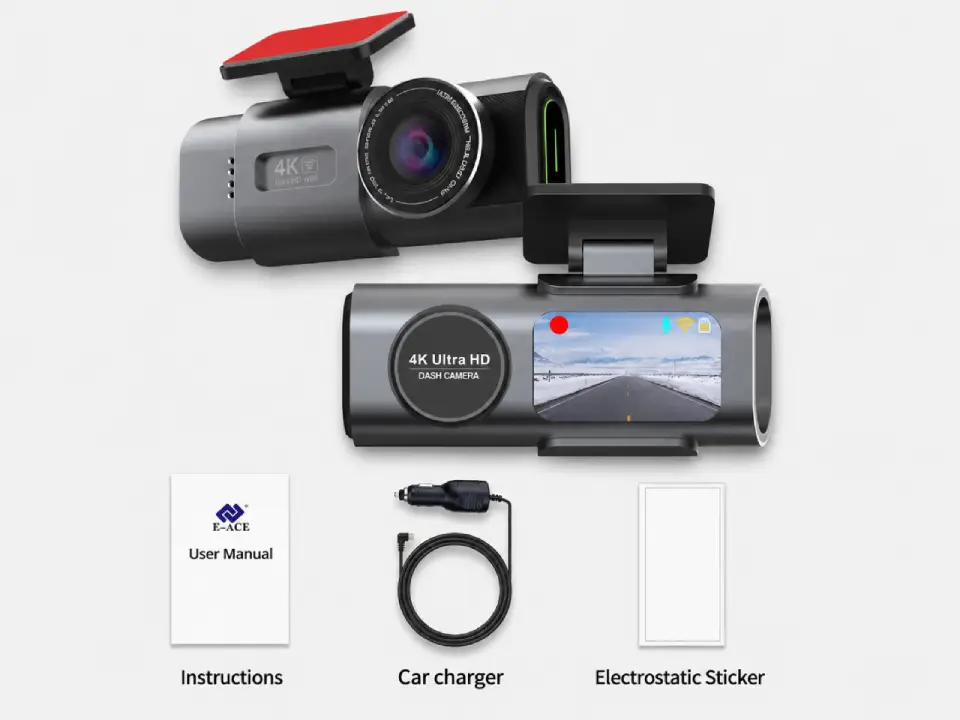
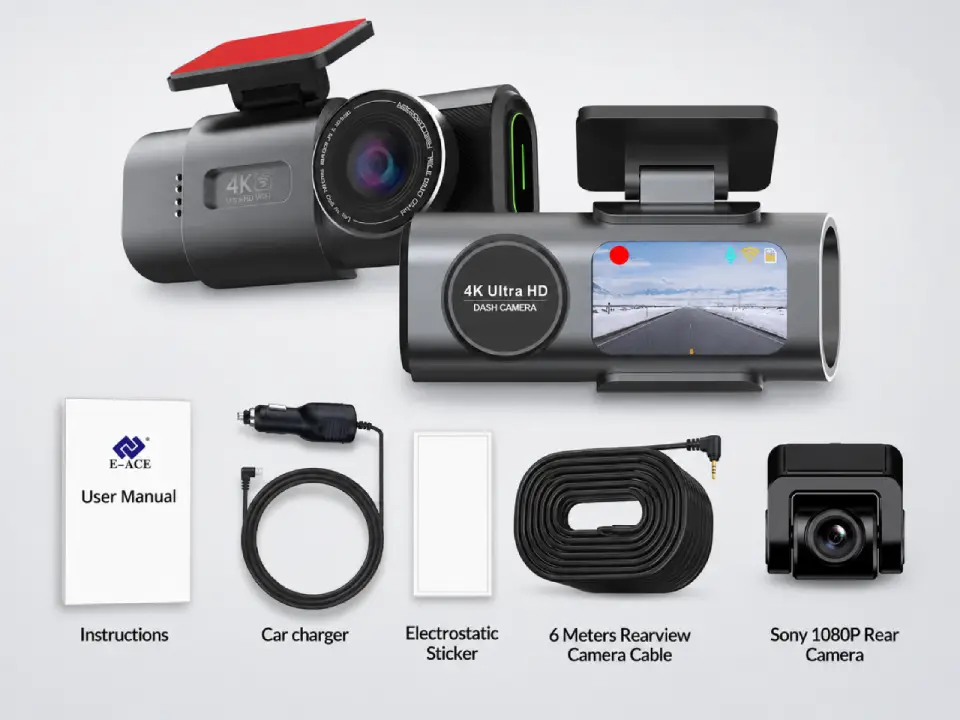
Standard
Front only · 4K
from €85.95
- One 4K front camera
- 170° wide angle
- Night vision + WDR
- GPS, speed & timestamp
- microSD included
Most chosen
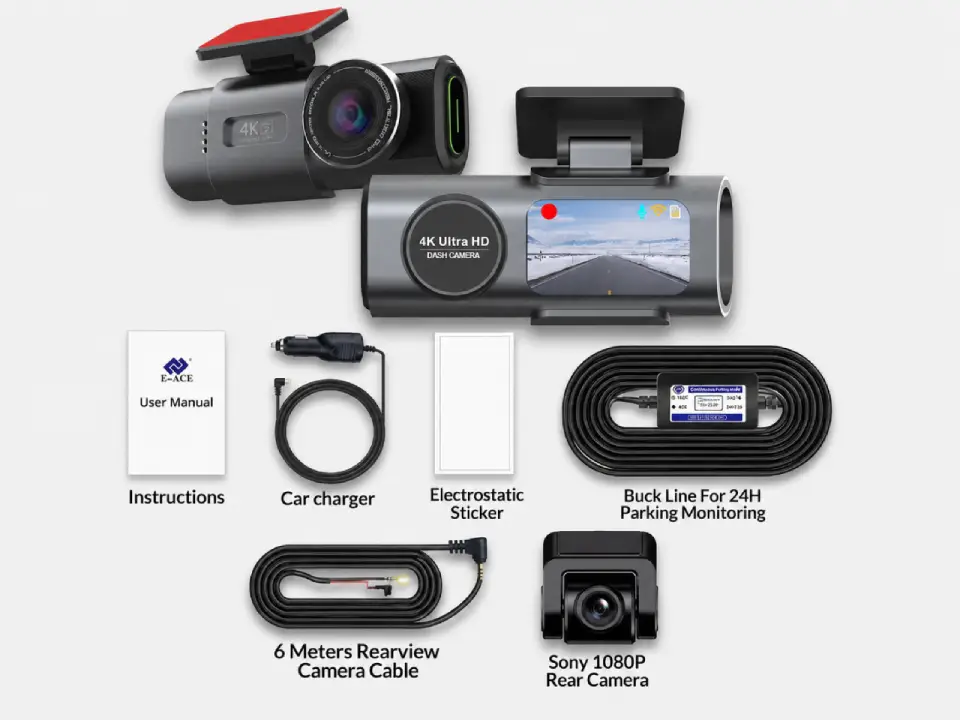
Dual Cameras
Front + rear
from €112.95
- Everything in Standard
- Adds a rear camera
- Sees the tailgater behind you
- Front + rear 4K evidence
Full Protection
Front + rear + 24h
from €121.55
- Everything in Dual
- 24-hour parking mode
- Captures a parked hit-and-run
- Complete front, rear & parked
🚚
Free shipping
🔒
Secure payment
🛡️
2-year warranty
↩️
30-day returns
Straight answers
Road rage & dash cams: FAQ
Can a dash cam stop road rage?
No — and any honest answer says so. A dash cam is a passive recorder; it can’t intervene or protect you. Its real value is evidence after the fact, plus a mild deterrent effect once a driver notices it. Your best defence is always to disengage.
Is dash cam footage actually useful to police?
Yes. A time-stamped 4K clip with GPS, speed and — when legible — a plate is strong corroboration that beats memory and argument. Lock the clip, then copy the original file off the card without editing it.
Will it record the driver tailgating me?
Only if you have a rear camera. A front-only camera sees ahead; because a lot of aggression comes from behind, a front + rear setup adds the view that matters most in road-rage situations.
Does recording audio during a confrontation cause legal problems?
It can. Audio consent rules vary by state and country. The audio is often valuable evidence, but you should know your local law — in many places one-party consent covers your own vehicle.
Can the footage be used against me?
Yes, because it records your driving too. That’s a genuine trade-off — and a good reason to drive calmly and never retaliate, rather than a reason to leave the camera off.
Should I follow an aggressive driver to get their plate?
Never chase. Following escalates a situation you’re trying to end. Let the camera capture what it can, and give police the direction, description and any plate it recorded instead.
Drive calm. Let the camera remember.
You can’t control the driver in the next lane. You can control whether the truth is on record when it counts.
Leave a Reply