

After a collision
What to do after a car accident
The moments after a crash are loud, fast and confusing. A calm, ordered response protects you — and the footage that proves what actually happened.
The real problem
Two stories. One claim. No proof.
Adrenaline rewrites memory in seconds. Five minutes after a collision you may not recall which light was green, who moved first, or how fast anyone was going. The other driver remembers it differently — and just as confidently.
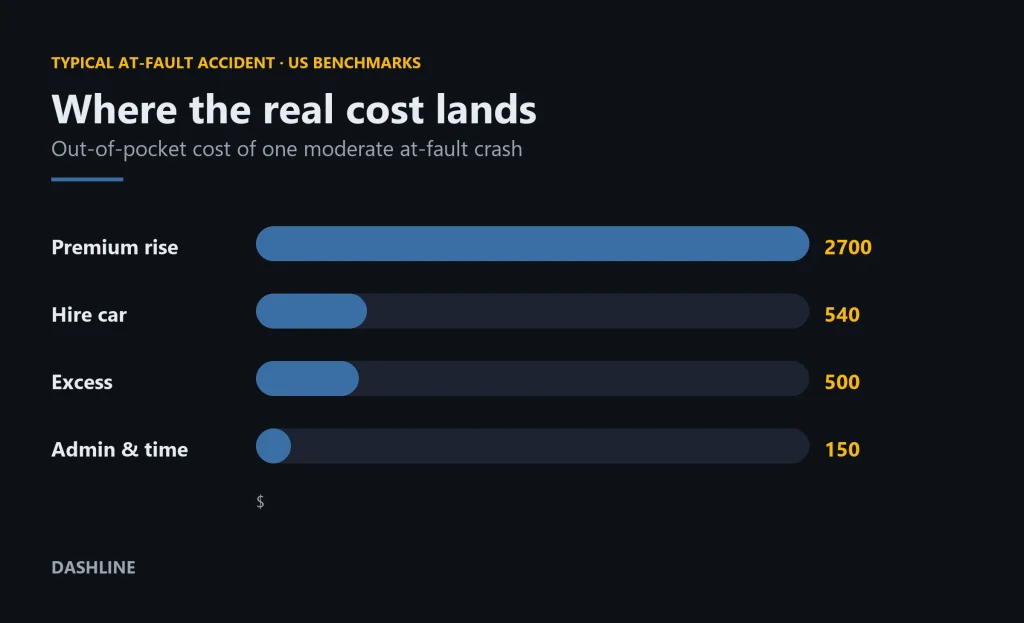
Without independent evidence, an insurer often has no way to separate the accounts. The result is a split-liability decision: shared blame, a lost no-claims bonus, and a higher premium — even when you did nothing wrong. Footage is what turns “your word against theirs” into a record anyone can check.
It rarely stops at one number on a form, either. A disputed claim can mean weeks of phone calls, a courtesy car you have to argue for, and a quiet worry every time the post arrives. Most of that friction comes from one missing thing: an account no one can dispute.
If you only read one thing
Stop safely and check for injuries. Don’t admit fault — stick to facts. Photograph everything, exchange details, and call the police if anyone is hurt. Then secure your dash cam clip before the loop overwrites it. The footage is only useful if it still exists.
The first ten minutes
Your roadside checklist
Tick each step as you go. Nothing here is stored or sent anywhere — it’s a calm prompt for a moment when it’s hard to think clearly.
Works without an account or signal. If your browser strips styling, the same steps still read as a plain list.
From incident to settled
How footage settles a claim
1
The incident
A car pulls out, brakes hard, or clips your side. Your camera is already recording — date, time, location and speed are written into the clip as it happens.
2
Secure the clip
Once you’re safe, lock the file on the camera or copy it to your phone over Wi-Fi, before loop recording reaches it. Keep the original untouched.
3
Submit with your report
Hand the footage to your insurer alongside photos and the police reference. Mention early that video exists — it changes how a claim is handled.
4
A record, not a memory
The decision rests on what was filmed, not on who sounds more certain. Clear footage of fault often settles a dispute without it ever reaching court.
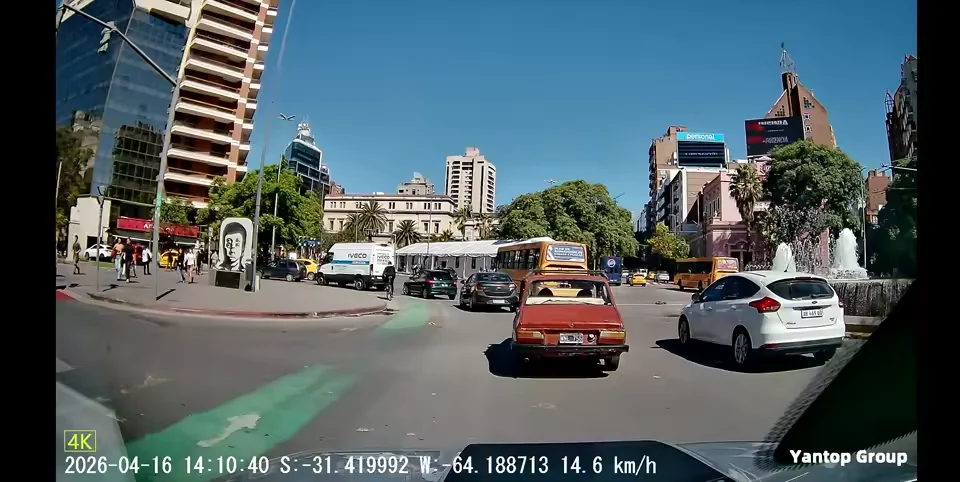
Why the footage carries weight
A witness that doesn’t blink
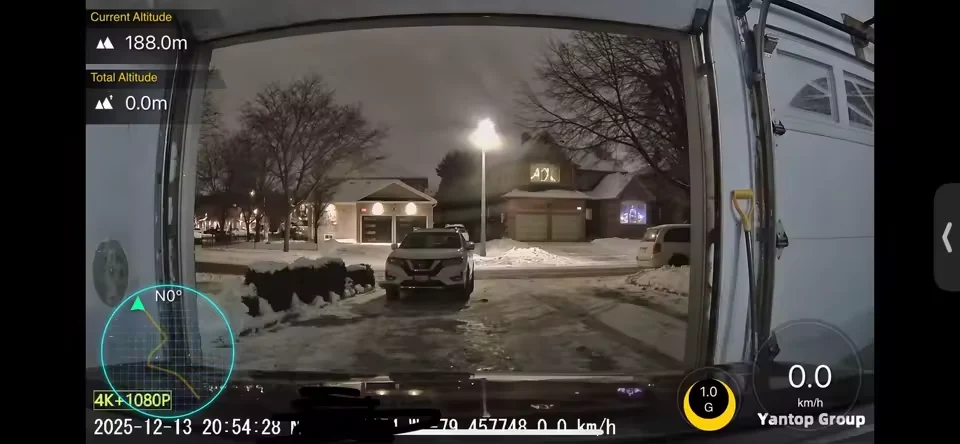
A Dashline clip isn’t just a picture of the road. Every frame carries a timestamp, GPS coordinates and your speed, recorded continuously in 4K. That context is exactly what an insurer or officer needs to place an event in time and space.
It doesn’t editorialise or take sides. It shows who had right of way, which signal was lit, and how fast each car was travelling — the details memory loses and a confident voice can’t override.
Three disputes, one answer
The same arguments come up again and again. Here’s how recorded footage tends to resolve each one.
Rear-end
The shunt you didn’t cause
They drive into the back of you, then claim you stopped without reason. Continuous front and rear footage shows the gap, the brake lights and the speed of approach. In a country where the following driver is usually presumed at fault, that timeline does the arguing for you.
Lane change
The sideswipe dispute
Two cars, one lane, and a disagreement about who drifted. The clip shows your line and indicator long before the contact — no interpretation required. Without it, these often settle 50/50 by default, regardless of what really happened.
While parked
The hit-and-run in a car park
You come back to a fresh dent and no note. With parking mode, a Dashline keeps watching and captures the moment of impact.
Honest about the limits
What footage can — and can’t — do
A dash cam is strong evidence, not a magic shield. Knowing where it helps — and where it doesn’t — is part of using one well.
It records you, too
A dash cam is honest in both directions. If you were speeding or rolling a stop, the clip shows that as well. Drive as if it’s always watching — because it is.
Audio can work against you
“I didn’t see you, sorry” is easy to say and hard to take back. Many cameras record sound. Stay factual at the scene and let the video carry the account.
One angle, real-world light
A camera sees what’s in front of its lens — not a car coming from the side, and not always a plate at speed, at distance, or at night.
Useful, but never automatic
Footage is widely accepted by insurers and admissible in court, but quality isn’t guaranteed and outcomes vary. Keep the original file, and don’t post it online while a claim is open.
Equip before you need it
Have the proof ready in advance
No one plans the day they’ll need the footage. Choose the Dashline setup that matches how — and where — you drive.
Choose your setup
One camera. Three levels of protection.
From everyday recording to full 24/7 surveillance — pick the package that matches how you drive.
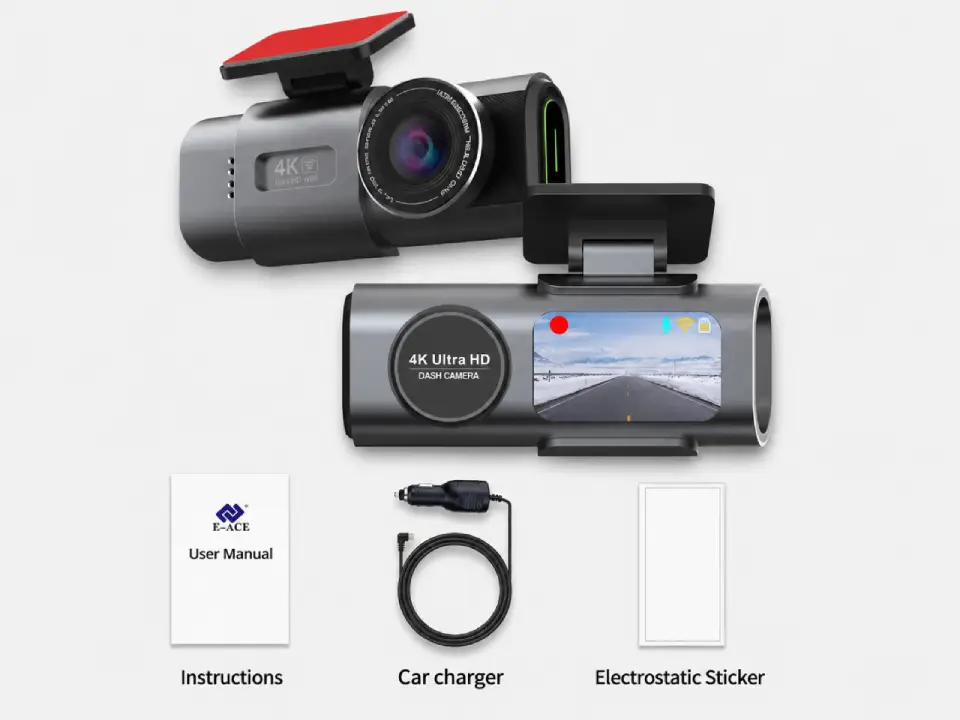
Standard
Package contents
- Front camera
- Car connection cable
- Magnetic sticker
Most popular
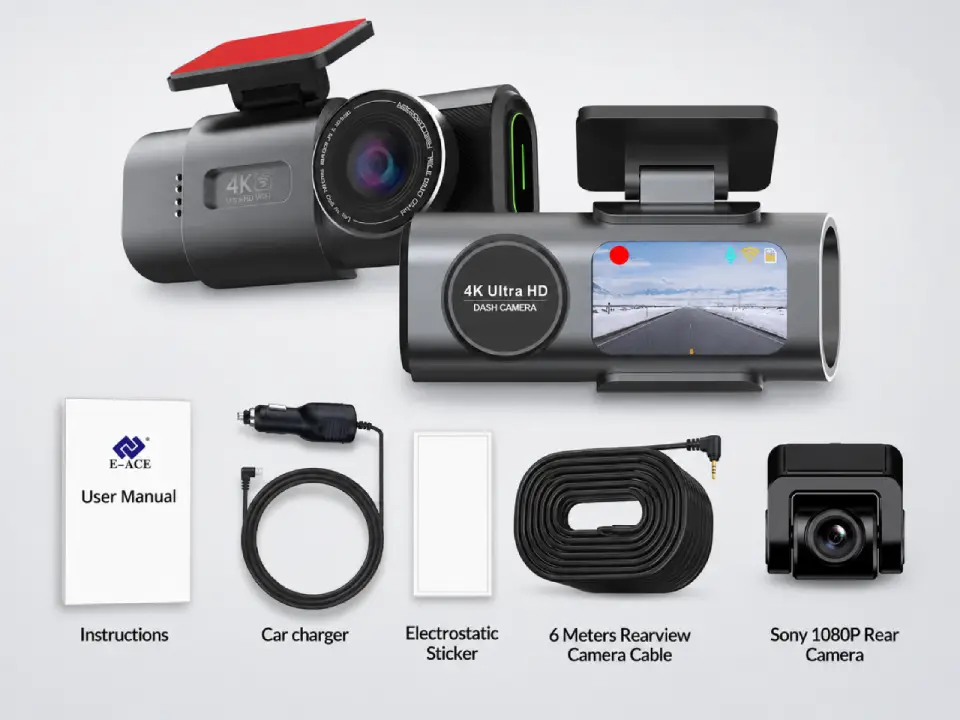
Dual Cameras
Package contents
- Everything in Standard
- Sony rear camera
- 6-meter connection cable
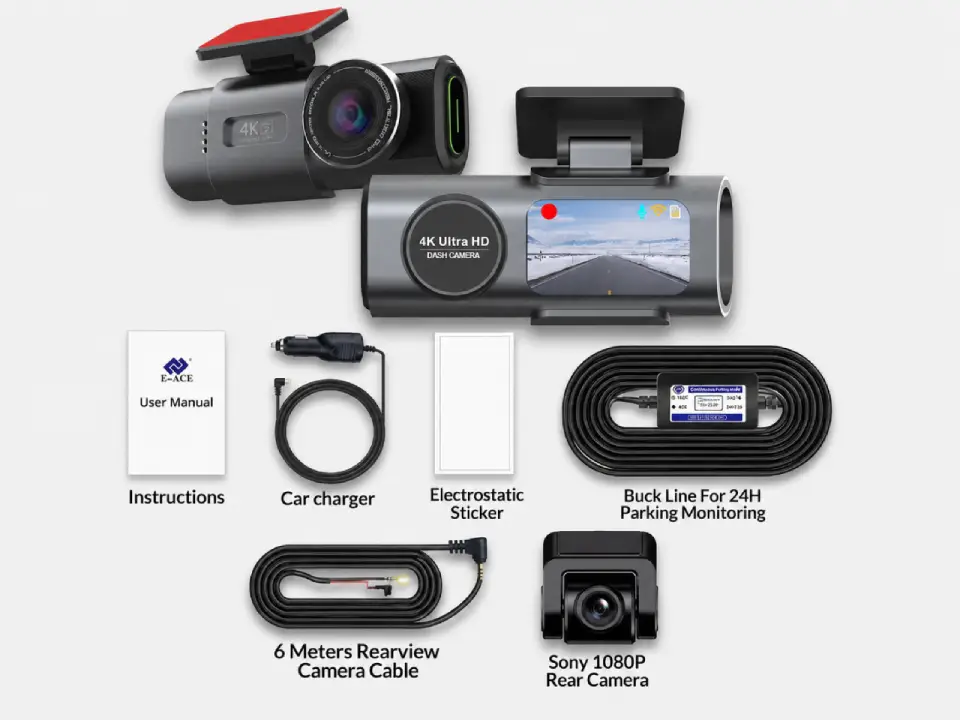
Full Protection
Package contents
- Everything in Dual Cameras
- 24h-compatible battery
- Live view from parked car
Free Shipping
5–10 days across Europe
Secure Payment
Apple Pay · PayPal · Stripe
2-Year Warranty
Full hardware coverage
30-Day Return
No questions asked
Common questions
Is dash cam footage accepted as evidence?
In most places, yes. A growing number of insurers accept it for claims, and courts in many countries treat clear footage as admissible. It tends to speed up a decision because it removes the guesswork from who did what.
Do I have to give my footage to the other driver?
You don’t have to hand the original to another driver personally. Share it through your insurer or the police instead, and always keep the unedited file. If a claim is active, avoid posting it publicly.
What if my camera was off or the clip was overwritten?
Then you rely on photos, witnesses and the police report — which is exactly why securing the clip early matters. Loop recording overwrites old files once the card fills, so lock or copy the relevant footage as soon as it’s safe.
Can the footage be used against me?
It can. A dash cam records your driving and often your speed and audio too. If you were at fault, it may show that. The honest answer is that it reports what happened — which protects careful drivers and exposes careless ones.
How quickly do I need to save the clip?
As soon as the scene is safe. On a Dashline you can lock the file on the device or copy it to your phone over Wi-Fi in a minute or two — well before normal loop recording would reach it.
Does it still record if the accident happens while I’m parked?
Only with parking mode, which needs continuous power. A Dashline on a 24h-compatible setup keeps watching a parked car and saves the moment of an impact or hit-and-run.
Will a dash cam lower my insurance or prevent accidents?
It won’t prevent a collision, and a discount isn’t guaranteed — that depends on your insurer. What it reliably does is give you an independent record if something does happen. You can ballpark any potential saving with our dash cam insurance savings calculator.
Should I mention the camera to the other driver at the scene?
There’s no need to announce it, and getting into a debate about it rarely helps. Stay calm, exchange details, and let your insurer raise the footage at the right moment. What matters at the roadside is documenting the scene and keeping the conversation factual.
MAKE THE FOOTAGE COUNT
Turning your footage into usable evidence
A clip only helps if it holds up. Four habits make the difference between a video that settles a dispute and one that gets waved away:
- Keep the original file — not a screen recording or a re-encoded copy. The untouched file carries the timestamps and metadata that make it credible.
- Lock or copy it off the card straight away, before loop recording overwrites it.
- Note the basics — when, where, and who you’ve shared it with. A simple trail of custody matters for anything that reaches court.
- Hand the original to your insurer or the police. Dash cam footage is admissible in every US state, subject to authentication.
The step people miss is speed: clips are overwritten fast, so learn how to save footage before it’s gone, and check how footage plays into an insurance claim.
Drive prepared
Calm is easier with proof
Subscription-free 4K recording, GPS-stamped clips, and parking protection — ready the moment you need it.

Leave a Reply