
Night driving · License plate capture · The honest answer
Can a dash cam read license plates at night?
Sometimes — and the conditions decide it. Speed, distance, glare and lens all matter more than the headline spec. Here is what actually influences readability, and how Dashline is built to improve your odds.
No exaggerated claims · Free EU shipping · 30-day return · 2-year warranty
The short answer
Often yes — but never guaranteed.
A capable 4K camera reads plates more often than a basic one. Five factors decide the result in any given moment.
Distance
Closer plates are far more likely to resolve than distant ones.
Speed
Relative speed between vehicles adds motion blur to the frame.
Glare
Direct headlights can wash out a plate without light control.
Lens & sensor
Aperture and sensor quality set how much light is captured.
Angle
Mounting position changes how square the plate sits in frame.
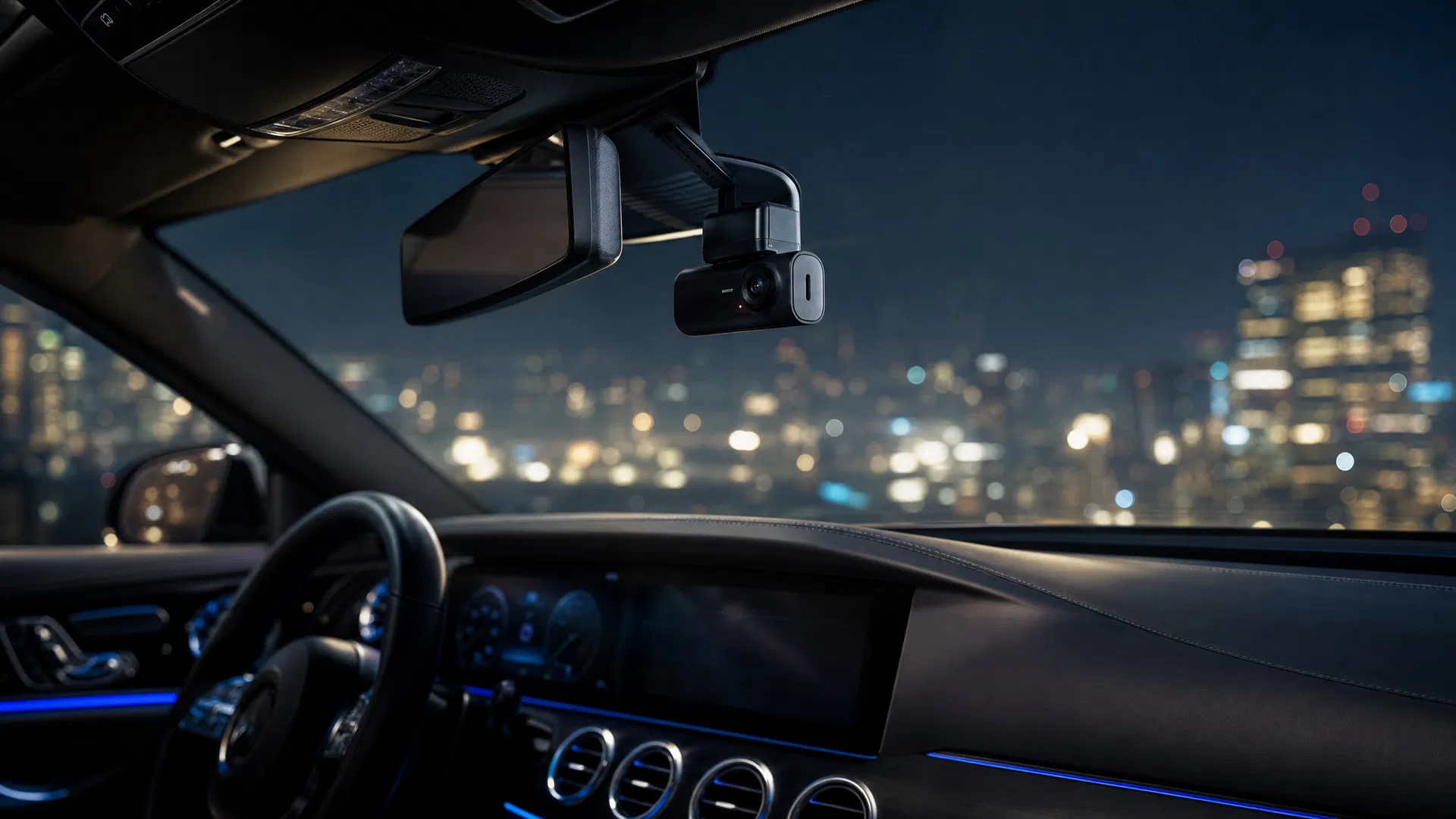
The reality after dark
Night plates are a hard problem. Honest hardware admits that.
At night a plate is a small, reflective surface, often moving, often lit only by headlights. The camera has a fraction of a second to capture it before the scene changes.
Better optics and processing raise the odds — they do not remove the physics. Any brand promising guaranteed readability in every situation is overstating what hardware can do.
What decides readability
Six factors between a blur and a readable plate.
4K
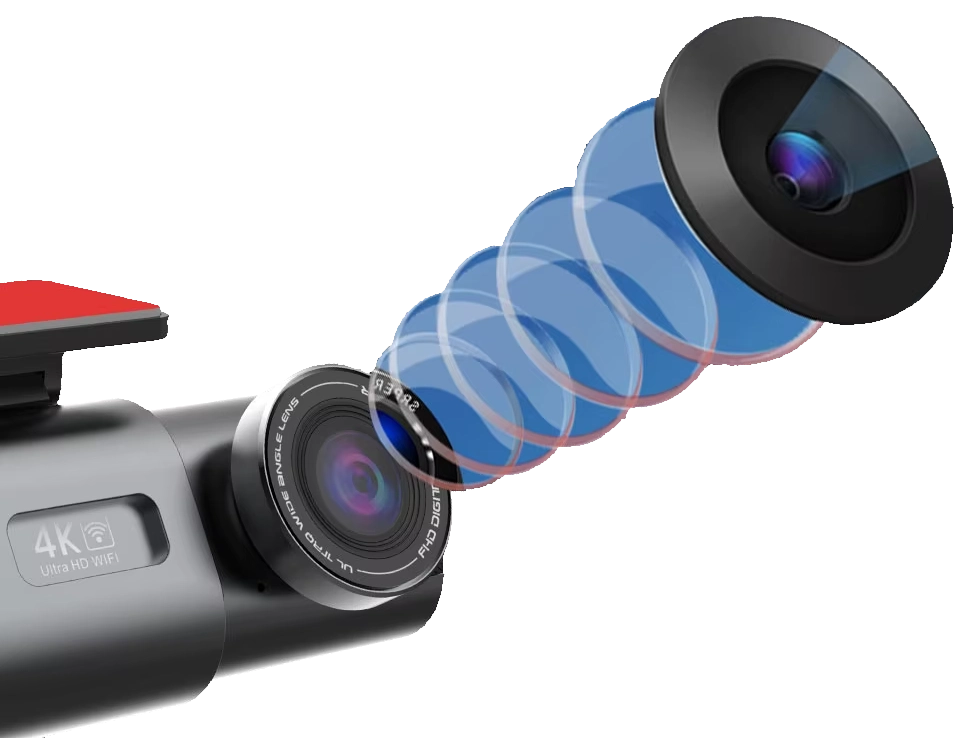
Resolution is your detail budget
True 4K starts with four times the pixels of 1080p. After night-time compression, that extra budget is often what keeps a few small characters legible.
Speed & motion
The faster the closing speed, the more a plate travels during each exposure. Slower relative speeds give the cleanest captures.
Headlight glare
Oncoming or trailing headlights can flare across a plate. Light control decides whether detail survives the brightness.
Distance
Characters shrink with distance. A plate two cars back carries far fewer pixels than one directly ahead at a junction.
Want the full picture on low-light performance? See all Dashline camera features.
Distance changes everything
How readable a plate is, by distance.
A realistic guide for good night conditions. Glare, rain and speed shift these ranges.
0–5 m
Most readable
At a junction or in slow traffic, a plate directly ahead carries the most pixels and the steadiest exposure.
5–15 m
Often readable
Typical following distance. Readability holds in clean conditions but drops with glare or speed.
15 m +
Increasingly hard
Beyond a few car lengths the characters shrink fast. Treat distant plates as context, not guaranteed evidence.
Taming the brightness
Headlights are the enemy of a clear plate.
WDR + HDR
Balances bright and dark in one frame
Wide Dynamic Range processes light and shadow zones separately, so a glaring headlight is less likely to blow out the plate sitting right beside it.
F1.6 aperture
More light, shorter exposure
A wider aperture lets the camera keep exposures short. Shorter exposures mean less motion blur — which is exactly what a moving plate needs.
Mounting & angle
Where you mount it changes your odds.
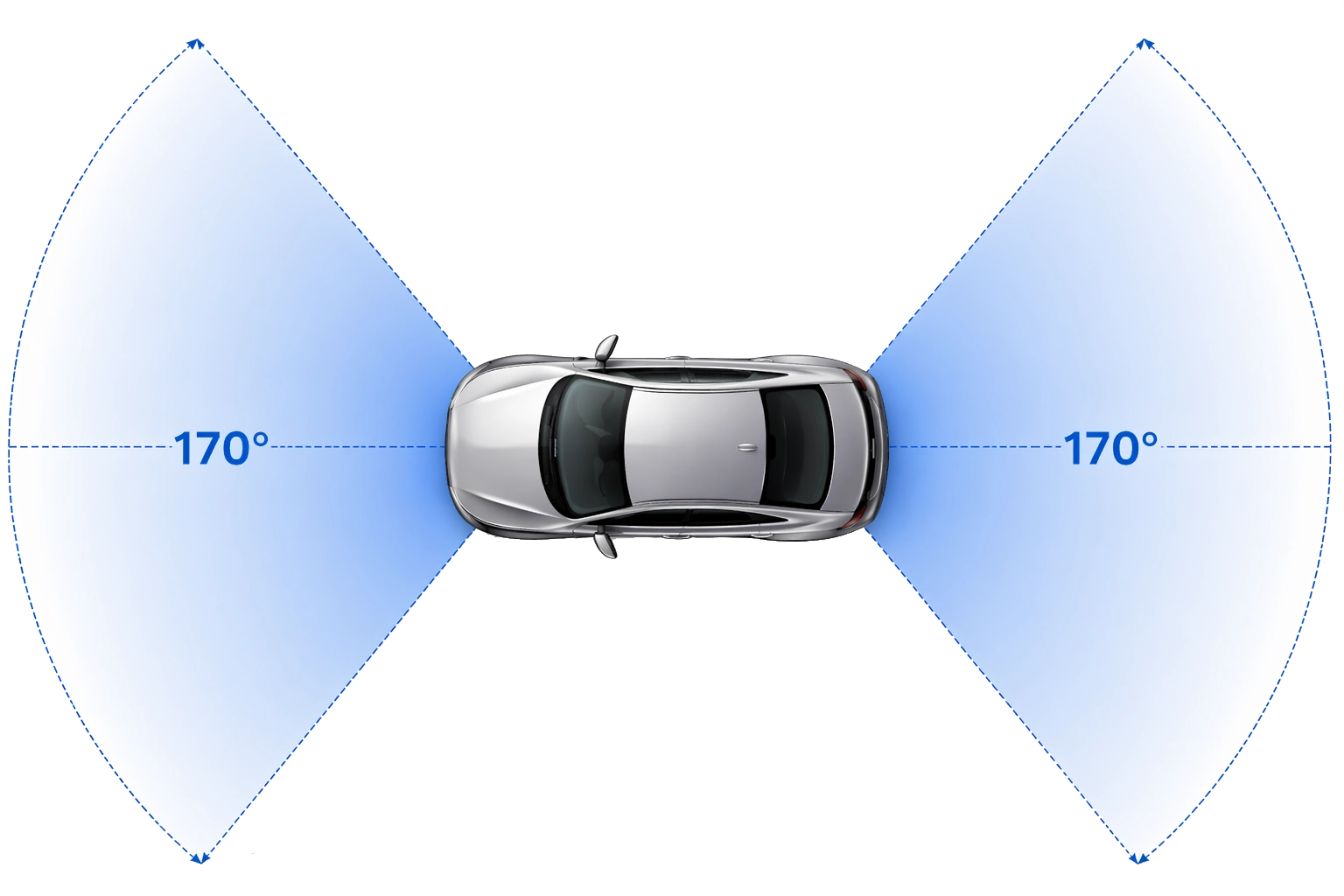
The 170° wide field keeps more of the scene in frame, but the centre of the lens is sharpest. A clean mount behind the mirror, on a clear strip of glass, gives plates the best chance.
- Mount centrally — keep plates near the sharp middle of the frame.
- Clean the glass — smears scatter headlight light at night.
- Avoid steep angles — a square-on plate resolves better than a skewed one.
For night plates specifically
Basic 1080p vs Dashline 4K.
Basic 1080p dash cam
1080p resolution — a smaller detail budget before night compression.
No WDR — headlights frequently blow out nearby plates.
Narrower aperture — longer exposures, more motion blur.
Generic sensor — less signal in low light, more noise.
Fixed exposure — bright and dark zones fight each other.
Dashline 4K
True 4K — four times the pixels to spend on small characters.
WDR + HDR — keeps plates legible beside bright headlights.
F1.6 lens — shorter exposures, less blur on moving plates.
Sony IMX415 — more light captured, cleaner low-light signal.
170° wide view — more chance the plate stays in frame.
Set up for the best result
Discreet to fit. Tuned to capture.
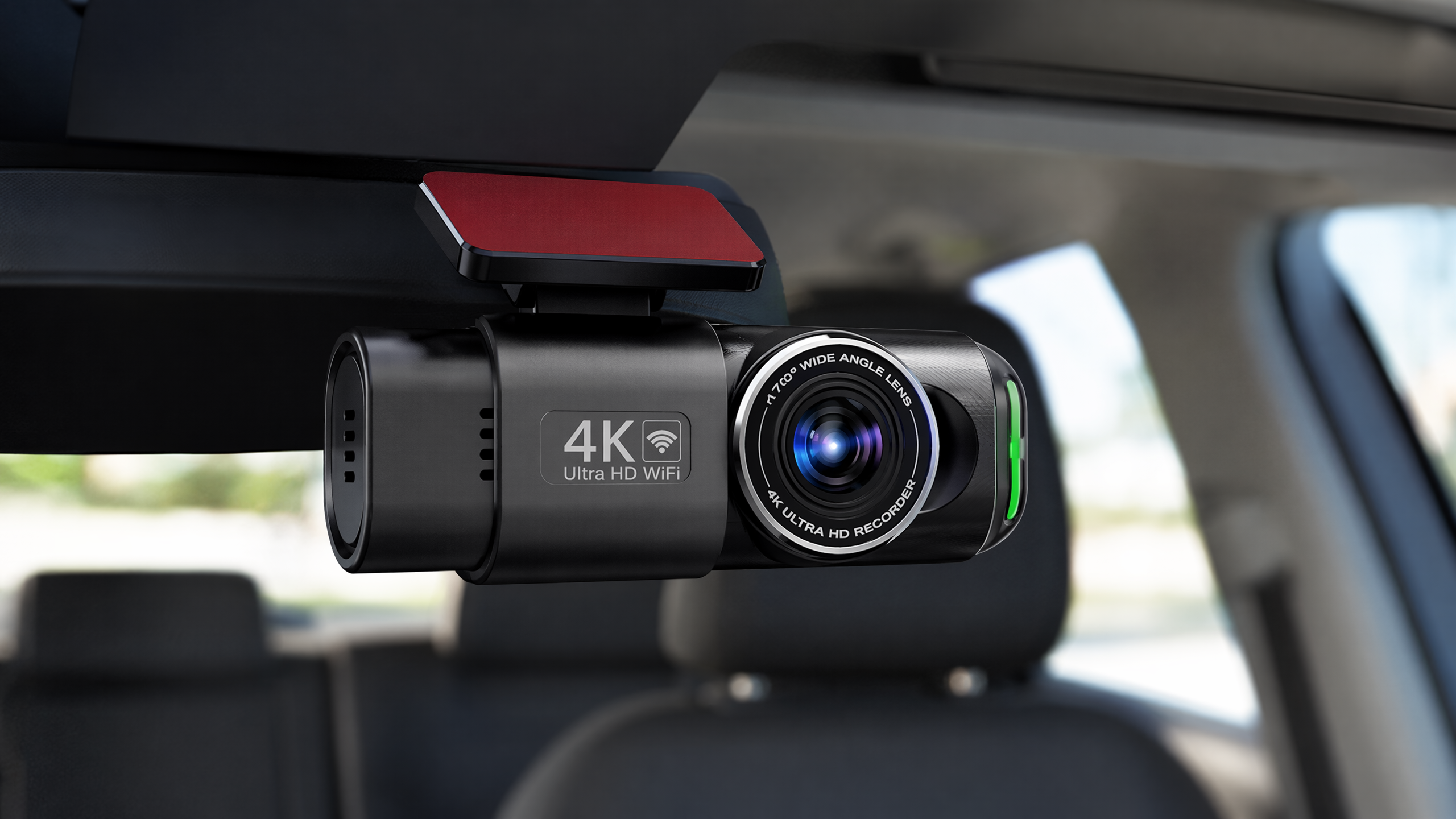
Dashline mounts behind the mirror and stays out of sight. With WiFi and the Viidure app, you can check framing in seconds and pull a clip the moment you need it — without removing the card.
- OEM-style mount — sits flush, doesn’t block your view.
- WiFi + app — confirm framing and grab clips on your phone.
- Parking mode — with the hardwire kit, keeps watch while parked.
When it matters most
Where a readable plate changes the outcome.
Parking lot hit
Someone clips your car overnight and leaves. A plate in frame turns a guess into a report.
Hit and run
After a collision the other driver drives off. Front coverage may catch the plate as they pass.
Insurance disputes
When accounts differ, footage with a plate and timestamp supports your side of the story.
The camera built for it
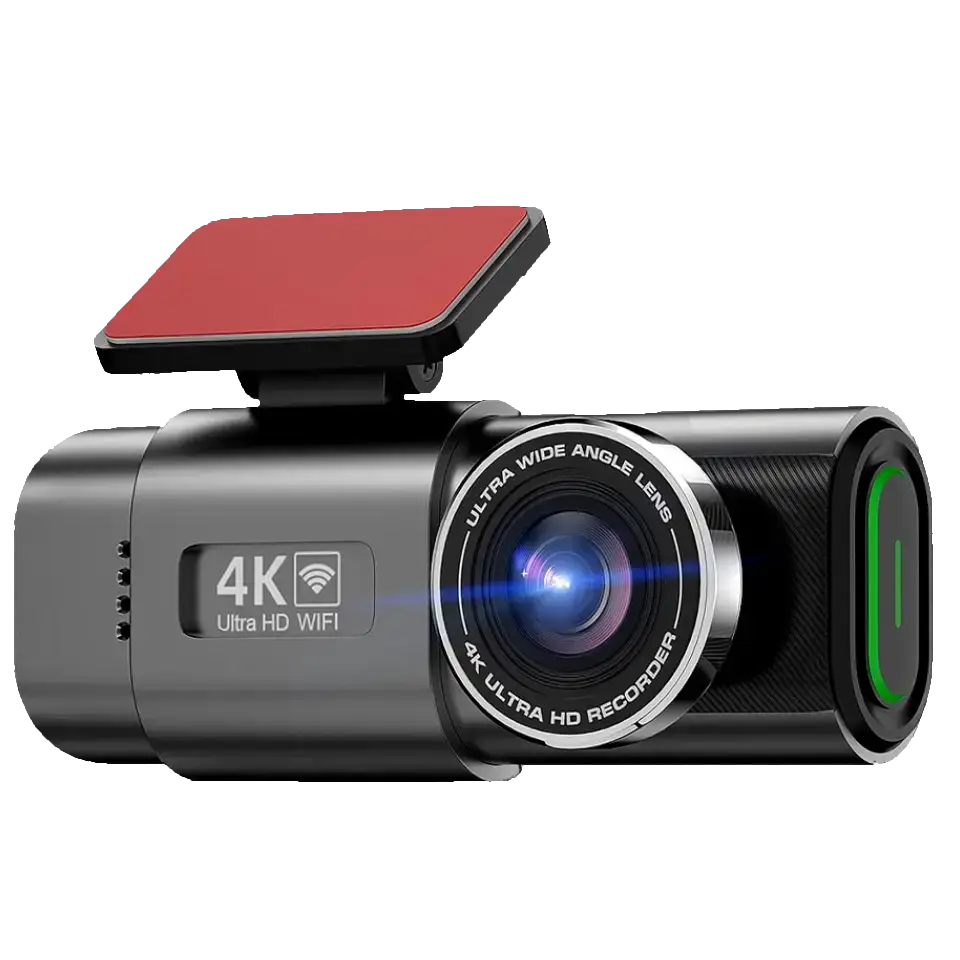
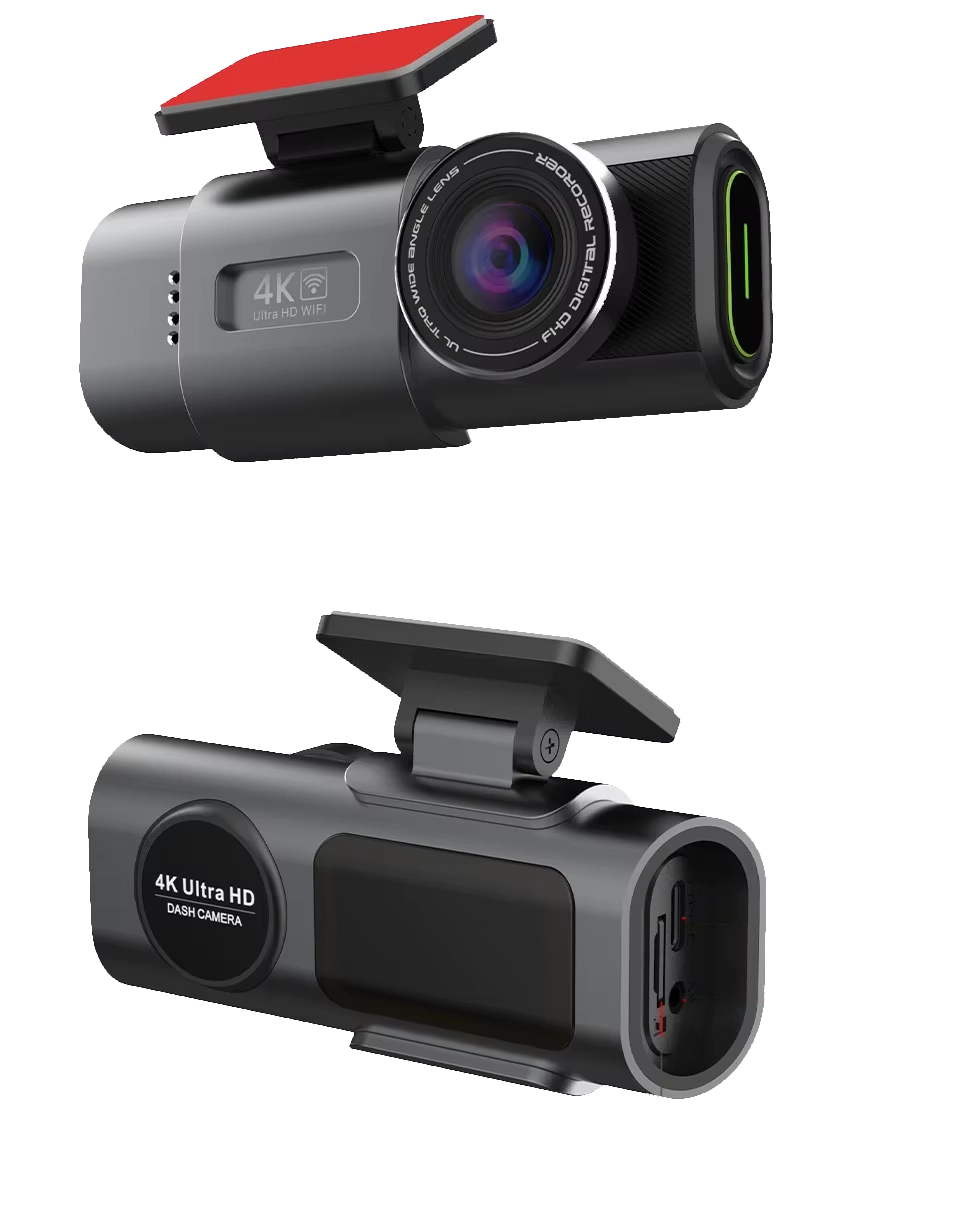
Dashline 4K — the spec that helps at night.
Tip: pair it with a high-endurance microSD card so 4K loop recording stays reliable. Compare front and rear coverage.
What we will and won’t claim.
What Dashline is designed to do
- Improve your odds of a readable plate versus basic 1080p
- Hold detail near bright headlights through WDR
- Reduce motion blur with a bright F1.6 lens
- Keep a clear record of every journey, day or night
What no dash cam can guarantee
- A readable plate in every scene, speed or angle
- Detail through heavy rain, spray or a dirty windscreen
- Capture of fast cross-traffic at long distance
- Legal acceptance — that varies by country and case
License plates at night — your questions.
Will Dashline read every plate at night?
No — and we won’t claim it does. In good conditions, at sensible distance and speed, a 4K camera with WDR and an F1.6 lens reads plates far more often than a basic 1080p unit. But glare, rain, angle and speed all influence each individual clip.
Why is 4K better than 1080p for plates?
4K records four times the pixels of 1080p. At night, after compression removes detail, that larger starting budget is often what keeps a handful of small characters legible instead of smeared.
Does WDR really help with headlights?
Yes. WDR processes bright and dark areas of a frame separately, so a glaring headlight is less likely to wash out a plate sitting right next to it. It is one of the most useful features for night plate capture.
How close does the other car need to be?
Closer is always better. In clean conditions a plate within a few car lengths is usually the most readable. Beyond roughly 15 metres, characters shrink quickly — treat distant plates as context rather than guaranteed evidence.
Does speed affect readability?
Yes. Higher relative speed means a plate moves further during each exposure, adding blur. The bright F1.6 lens lets Dashline keep exposures short, which reduces — but never fully removes — motion blur.
Can it capture plates while parked at night?
With the hardwire kit, Dashline supports 24h parking mode. The same physics apply: a nearby, well-lit plate is far more likely to be readable than a distant one in deep shadow.
PLATES AFTER DARK
What improves plate readability at night
Whether a plate is legible in the dark comes down to four things far more than the resolution number — and most of them are about the moment, not the camera:
- Light: a plate under a streetlight or lit by your headlights reads; one in full shadow often won’t, at any resolution.
- Distance: the closer the car, the more pixels land on the plate. Detail falls off fast with range.
- Speed: some cameras hold a plate up to roughly 30 mph in the dark; beyond that, expect motion blur on the oncoming lane.
- Angle & glare: a plate square-on reads best; reflective plates and bright headlights behind it can wash the numbers out unless WDR reins the exposure in.
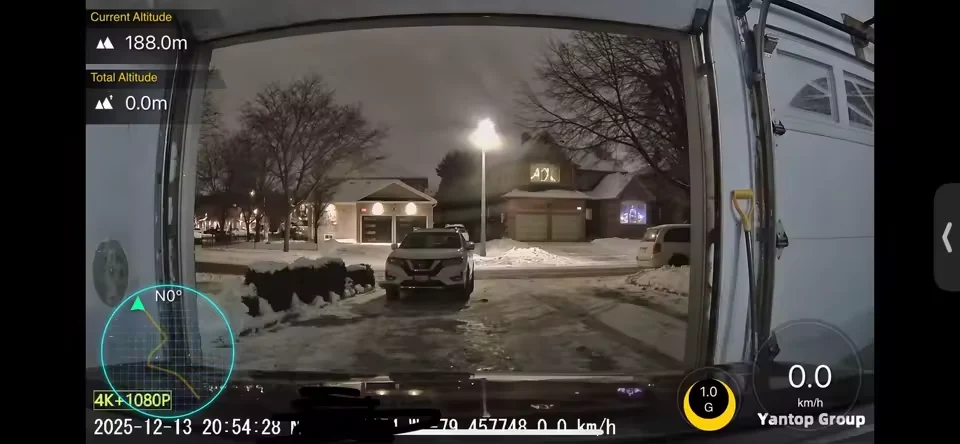
Because distance and speed matter this much, it helps to know your camera’s realistic range — try the licence-plate read-distance calculator — and to see how footage actually holds up from day to night. No dash cam guarantees a readable plate; the right one just improves the odds.
Dashline 4K
Give your camera the best shot at the plate.
4K resolution, WDR light control and a bright F1.6 lens — the hardware that improves your odds when it’s dark and it matters.
Free EU shipping · 30-day return · 2-year warranty · Secure payment

Leave a Reply