
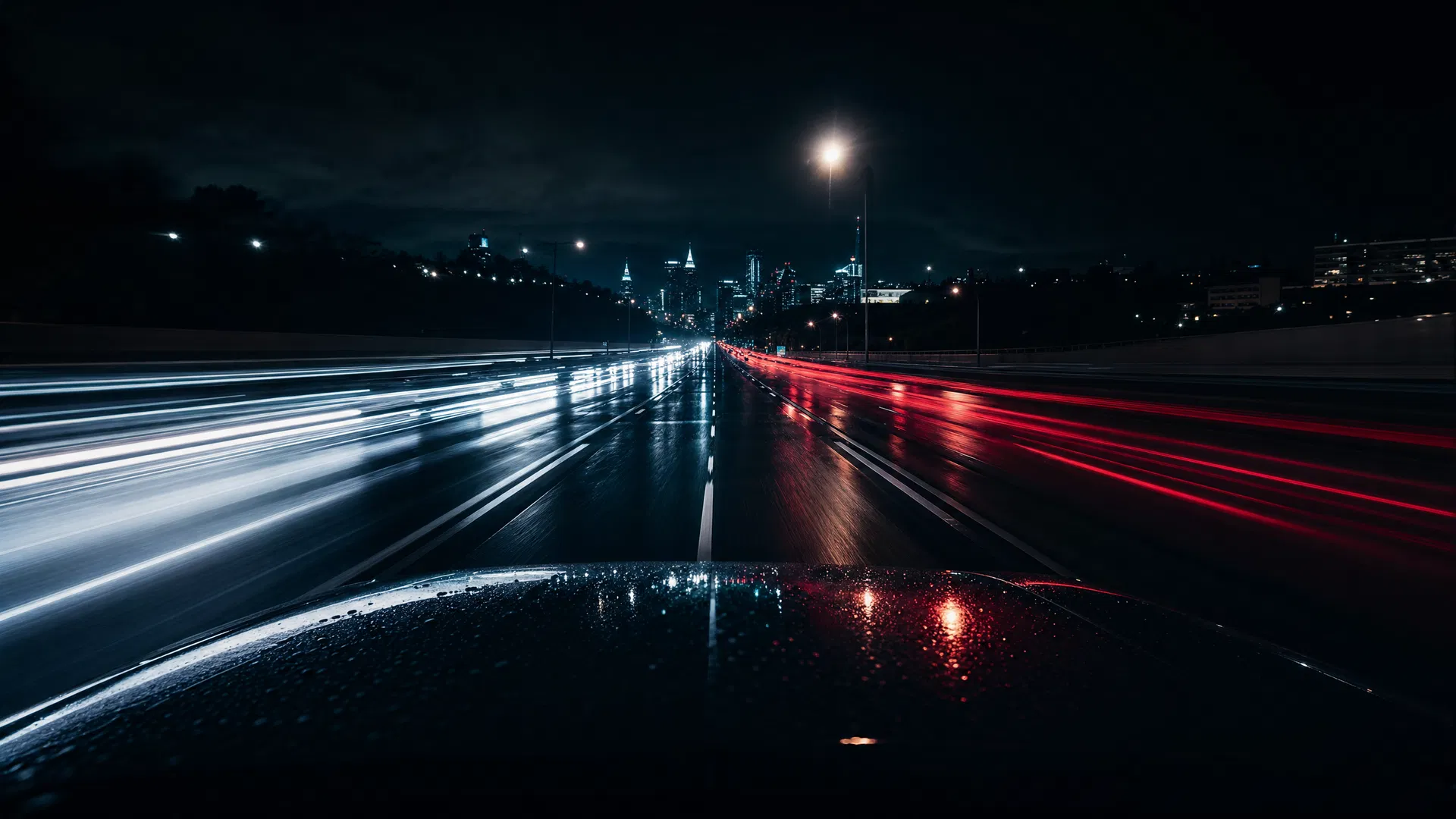
4K dash cam · Night driving · Sony IMX415 · WDR · Parking monitoring
The 4K dash cam built for what happens after dark.
Most dash cams record. Few record well at night. Dashline is engineered specifically for darkness — Sony IMX415 imaging, WDR light control, a bright F1.6 lens and 170° wide coverage, in one discreet system.
Free EU shipping · 30-day return · 2-year warranty · Secure payment
The night driving problem
Night driving footage is where most dash cams quietly fail. Not because the camera stops recording — but because what it records is no longer good enough to matter.
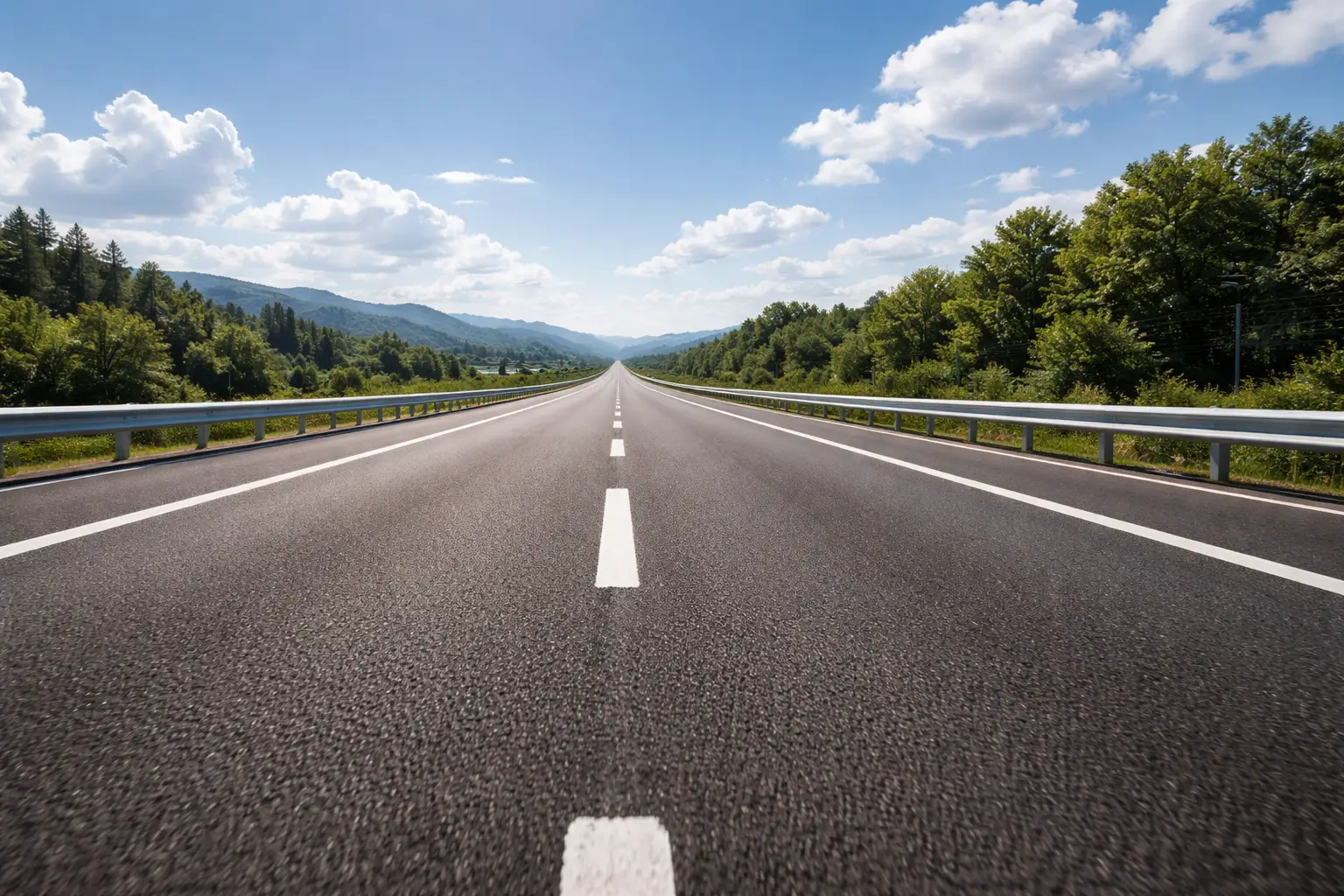
Why footage fails after dark
Six things that destroy night footage before the incident ends.
- 01 — Headlight overexposure. Bright light sources overpower a basic sensor, turning reflective surfaces white and erasing the detail beneath.
- 02 — Motion blur at speed. Low-light sensors extend exposure time to gather light — which smears fast-moving objects across the frame.
- 03 — Insufficient resolution. 1080p has fewer pixels to begin with. Compression removes more. At night, the remaining margin for small detail is often gone entirely.
- 04 — Extreme scene contrast. Night scenes combine near-total darkness with intense bright sources. A single-exposure sensor cannot handle both zones at once.
- 05 — Narrow lens aperture. F2.0–F2.4 lenses collect significantly less light than F1.6. On an unlit road, that gap determines whether the image is usable.
- 06 — No parking protection. Most night incidents in car parks happen while the car is unattended. A dash cam without parking mode records nothing.
Built differently
Six engineering decisions that change night footage quality.
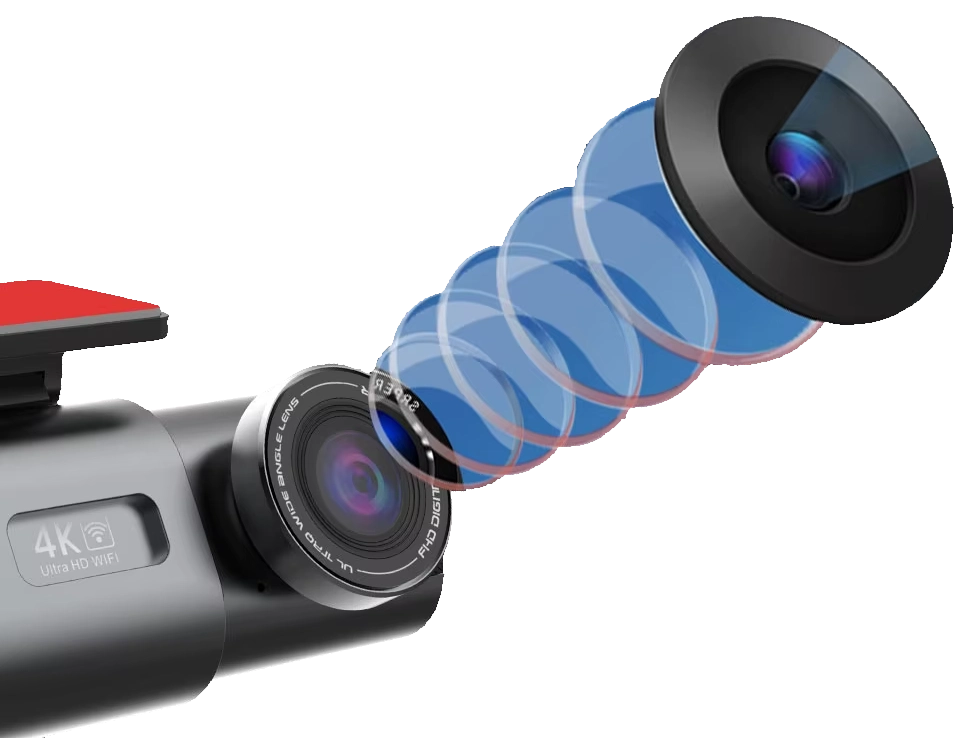
Dynamic light control
WDR
Wide dynamic range processing
WDR processes multiple exposures within a single frame. Bright headlights and dark road sections are balanced simultaneously — so neither overwhelms the other in the footage you need to review.
+ HDR optimization included
170°
Wide-angle front coverage
170° captures more lanes and more context. At night, when events happen at the edge of visibility, wider coverage means fewer blind spots and more usable scene in every clip.
F1.6
Bright-aperture front lens
The F1.6 aperture collects significantly more light than F2.0–F2.4 lenses common on most dash cams. On dark streets and unlit car parks, that difference is the single biggest factor in image quality.
24h
Parking monitoring
With the hardwire kit, Dashline stays active after the engine stops. G-sensor impact detection locks key clips automatically — so overnight car park incidents are recorded and protected, not overwritten.
The Dashline 4K system
Front. Rear. 4K. Watching every angle, all night.
Dashline 4K Pro records a 170° front view in True 4K Ultra HD. Add the optional rear camera and you have continuous front and rear coverage — both feeds accessible through the Viidure WiFi app.
Front camera
True 4K · Sony IMX415 · WDR · F1.6 · 170°
Rear camera (optional)
Additional rear coverage · App accessible
WiFi app
Live view · Clip downloads · Settings
Parking mode
24h via hardwire kit · G-sensor auto-lock
From 85,95 €
Free EU shipping · 30-day return · 2-year warranty
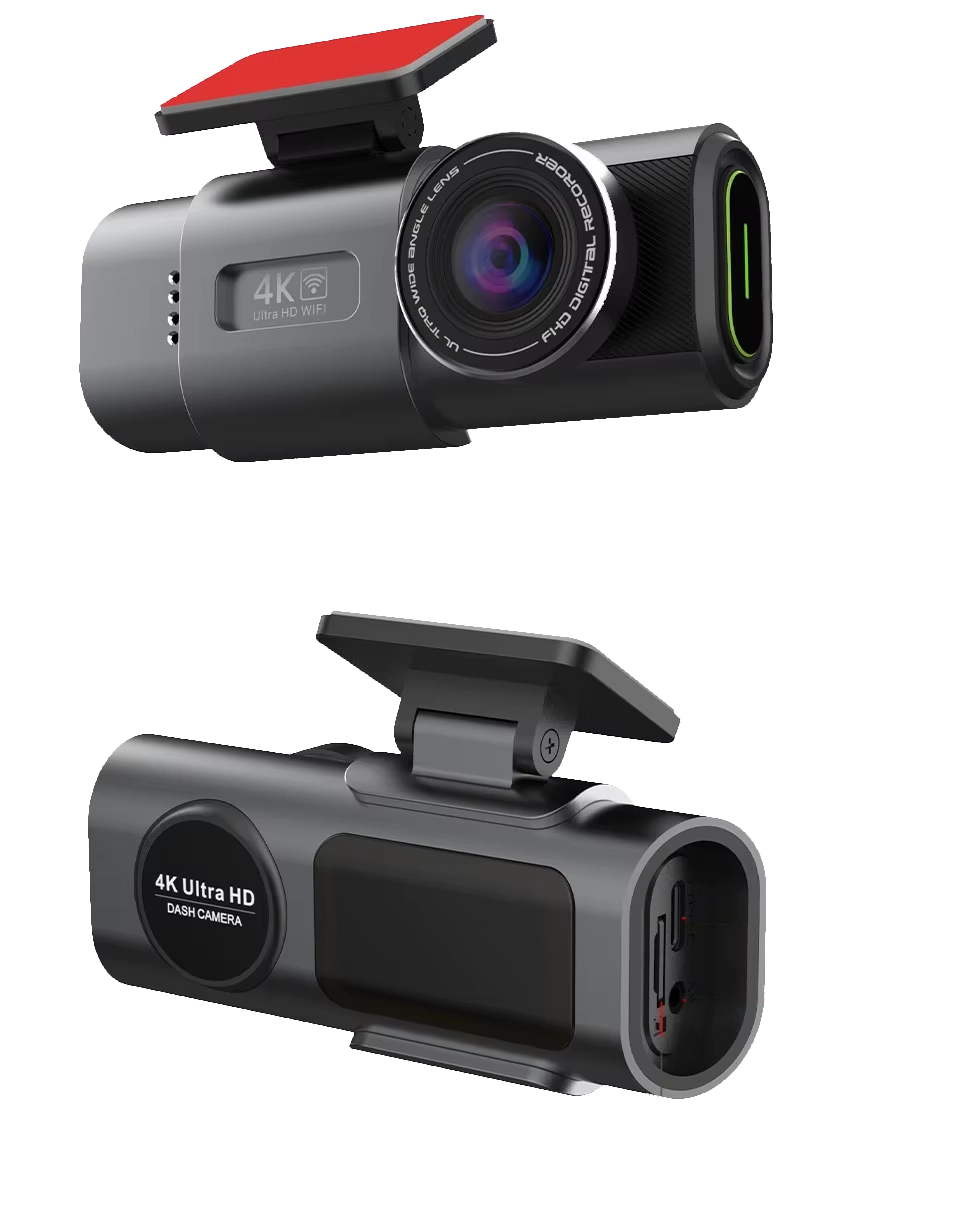
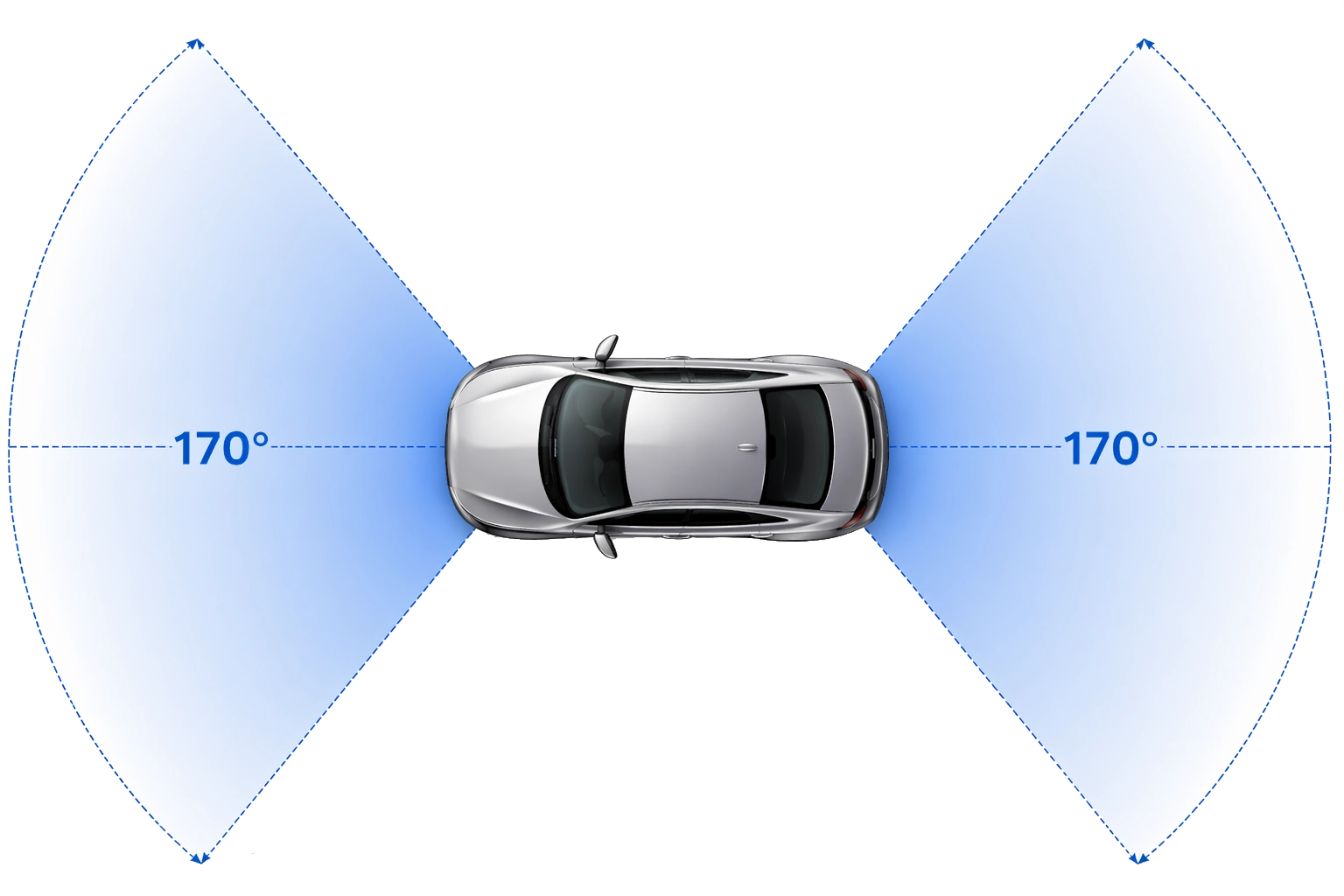
Field of view
170° — because what matters at night is often at the edge of the frame.
A wider field of view means more lanes, more surrounding context and more scene in every clip. At night, when incident details appear quickly and at unexpected angles, coverage width directly affects how useful the footage is afterwards.
- Captures multiple lanes simultaneously
- Reduces the chance of key details at frame edge being cut off
- Preserves wider scene context for reviewing events in full
- Discreet OEM-style mounting behind the rearview mirror
Night performance
Standard 1080p dash cam vs Dashline 4K — at night.
Standard 1080p dash cam
Basic recording
- 1080p resolution — less pixel data in difficult lighting
- No WDR processing — headlights commonly overexpose
- Generic sensor, F2.0+ lens — less light in, more noise out
- Narrower field of view — events at frame edge often missed
- No parking monitoring — nothing recorded while parked
- SD card retrieval only — physical removal required
- No impact clip locking — key footage may be overwritten
Dashline 4K Pro
Night-ready protection
- True 4K Ultra HD 3840×2160 — 4× more pixels per frame
- WDR + HDR processing — headlights and dark zones balanced
- Sony IMX415 · F1.6 lens — designed for low-light conditions
- 170° wide-angle front view — more lanes, more context
- 24h parking monitoring — G-sensor auto-lock overnight
- WiFi app — phone access instantly — no card removal needed
- G-sensor clip locking — key footage never overwritten
“
Night footage is only useful if it was clear enough to capture in the first place. That is an engineering problem. Dashline treats it as one.
Dashline design principle
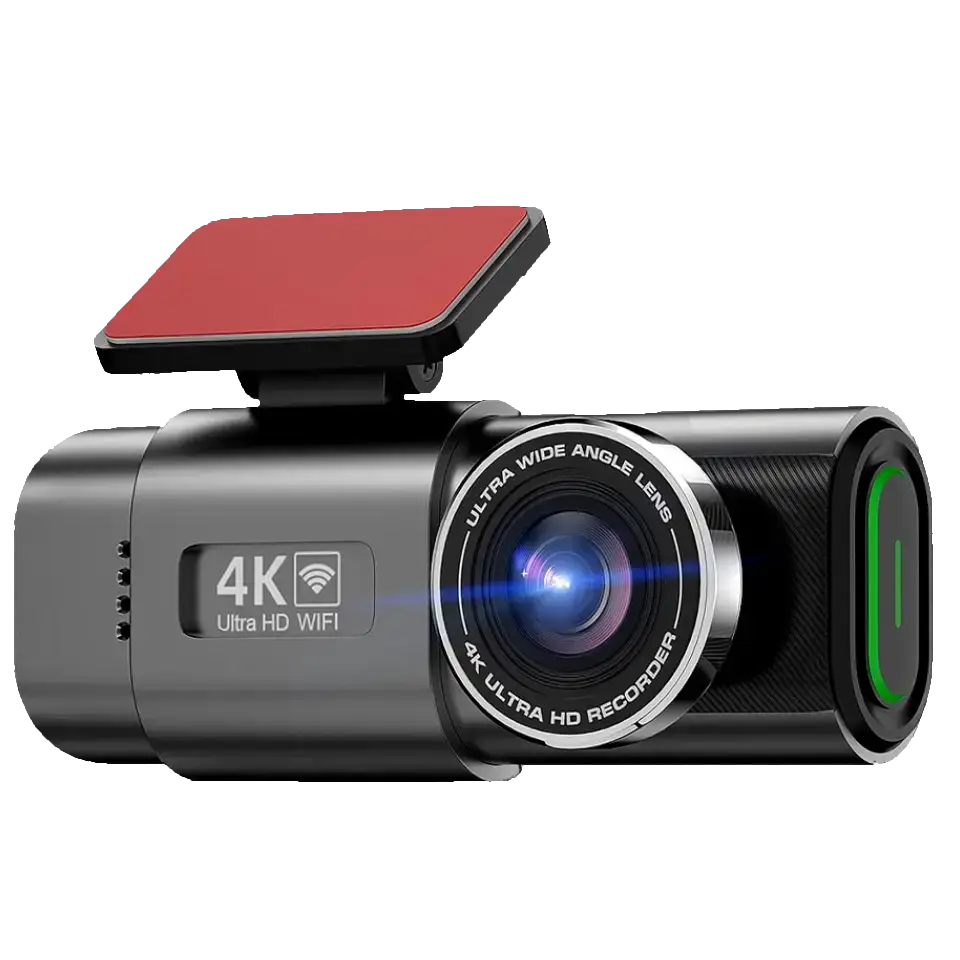
Full specification
Dashline 4K Pro — complete night driving specification.
Designed to handle darkness, contrast, glare and motion — the four conditions that separate useful night footage from footage that tells you nothing.
From 85,95 €
Free EU shipping · 30-day return · 2-year warranty · Secure payment
Honest capability statement
What Dashline can do at night — and what depends on conditions.
Dashline is designed to help with
- Capturing more scene detail than 1080p in low-light
- Reducing the effect of headlight glare through WDR
- Recording and locking parking incidents overnight
- Wider road context with 170° front coverage
- App-based footage access without removing the SD card
- Preserving a visual record of every journey, not just incidents
Results that depend on conditions outside the camera
- Plate readability at speed — angle, distance, reflection, motion
- Footage clarity through a dirty or hazy windscreen
- Parking mode requires compatible hardwire installation
- Coverage limited to the 170° front field of view
- SD card quality affects recording stability under loop use
- Legal acceptance of footage varies by jurisdiction and case
Common questions
Everything you should know before choosing a night dash cam.
Is a 4K dash cam actually better at night than 1080p?
In most conditions, yes. 4K gives the frame significantly more pixel data before compression, which means more information survives difficult lighting. Combined with a capable sensor and WDR processing, 4K footage in challenging night conditions typically contains substantially more recoverable detail than 1080p. Resolution is one part — sensor, lens and light processing all work together to determine the final result.
Can a dash cam read licence plates clearly at night?
Sometimes — but never in every situation, and no honest manufacturer should promise otherwise. Plate readability at night depends on vehicle speed, distance, angle of approach, the reflectivity of the plate, headlight glare and windscreen condition. Dashline improves your probability of capturing readable plate detail compared to a standard 1080p camera — but the result in any specific clip depends on the real-world conditions at that moment.
What does WDR actually do in night footage?
WDR — Wide Dynamic Range — processes multiple exposure levels within a single frame to balance bright and dark zones simultaneously. At night, intense light sources (headlights, traffic signals, signage) appear directly alongside very dark surroundings. Without WDR, a camera set to expose for the dark areas will overexpose the bright ones — turning reflective plates and signs white. WDR reduces this by processing the image in zones rather than with one fixed exposure.
Does Dashline record while parked at night?
Yes, with the correct setup. Dashline supports 24-hour parking monitoring via a compatible hardwire kit connecting the camera to your vehicle’s fuse box. In parking mode, Dashline stays active after the engine stops. The G-sensor detects impacts and automatically locks the relevant footage — preventing it from being overwritten during loop recording. This is designed for overnight situations where an incident may occur while the vehicle is unattended.
Why does lens aperture matter for night footage?
Lens aperture determines how much light enters the camera per frame. A wider aperture — F1.6 — allows significantly more light in than F2.0 or F2.4. On unlit roads and in dark car parks, where no external light source is available, the lens aperture is the single most important physical factor in whether the camera can produce a clean image. Dashline’s F1.6 front lens is chosen specifically to maximise light collection in these conditions.
How do I access footage quickly after a night incident?
Dashline includes built-in WiFi and works with the Viidure app on iOS and Android. Connect your phone to the camera’s WiFi directly at the roadside, then open the app to browse clips, preview footage, download the relevant file and lock it from being overwritten — all without removing the SD card. This is particularly important at night when you may need to act quickly.
Does a dirty windscreen affect night footage?
Significantly. At night, dust, rain streaks, condensation and wiper marks scatter light through the glass in ways largely invisible in daylight. Even a high-quality camera will produce measurably worse footage through a dirty windscreen after dark. Keeping the glass clean directly in front of the lens is one of the most effective — and most overlooked — ways to improve night footage quality without changing any camera settings.
What microSD card should I use for 4K night recording?
Use a high-endurance card rated Class 10 / U3, designed specifically for dash cam or security camera use. 4K footage generates significantly larger files than 1080p, and standard consumer cards are not rated for the continuous write cycles that loop recording produces. A high-endurance card reduces the risk of recording corruption and helps ensure that footage from a night incident is recoverable when you need it. Dashline supports microSD cards up to 128GB.
NIGHT PERFORMANCE, HONESTLY
What actually makes night footage usable
“4K” on the box tells you almost nothing about how a camera behaves after dark. Four things do the real work at night, and the Dashline is built around them:
- A wide aperture (f/1.6): gathers far more light than an f/2.0 lens, so the camera can keep a faster shutter and cut the motion blur that smears plates.
- A low-light sensor (Sony IMX415): pulls detail out of shadow that a cheaper sensor loses to noise.
- WDR / HDR: balances a single frame so bright headlights don’t wash out the dark road — or the plate in front of you.
- Resolution: 4K gives you the pixels to zoom into a sign or a plate, but only once the three points above have kept the frame clean.
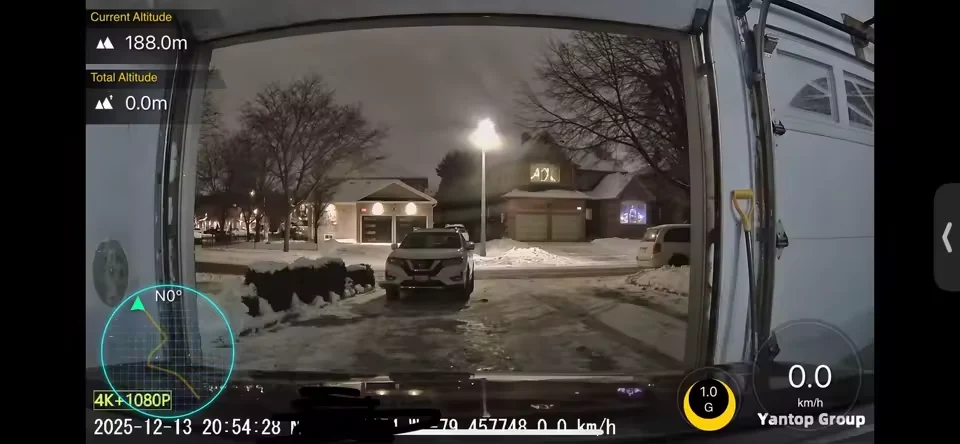
The honest limit: even a strong night camera trades some sharpness for brightness in the dark, and a plate on a fast-moving car can still blur. See what real footage looks like from day to night, and how it fares specifically on licence plates after dark.
Dashline 4K Pro
When the road goes dark, keep the evidence clear.
Sony IMX415. WDR. F1.6 lens. 170° coverage. WiFi app. 24h parking monitoring. One system — engineered for night.
Free EU shipping · 30-day return · 2-year warranty · Secure payment
Leave a Reply