
Dash cam guides · Insurance
Does a dash cam lower your car insurance?
Short answer: rarely a direct discount — but the footage can prove who was at fault, speed up a claim and protect your no-claims record. Here is the honest picture.
Free EU shipping · 30-day return · 2-year warranty
The honest answer first
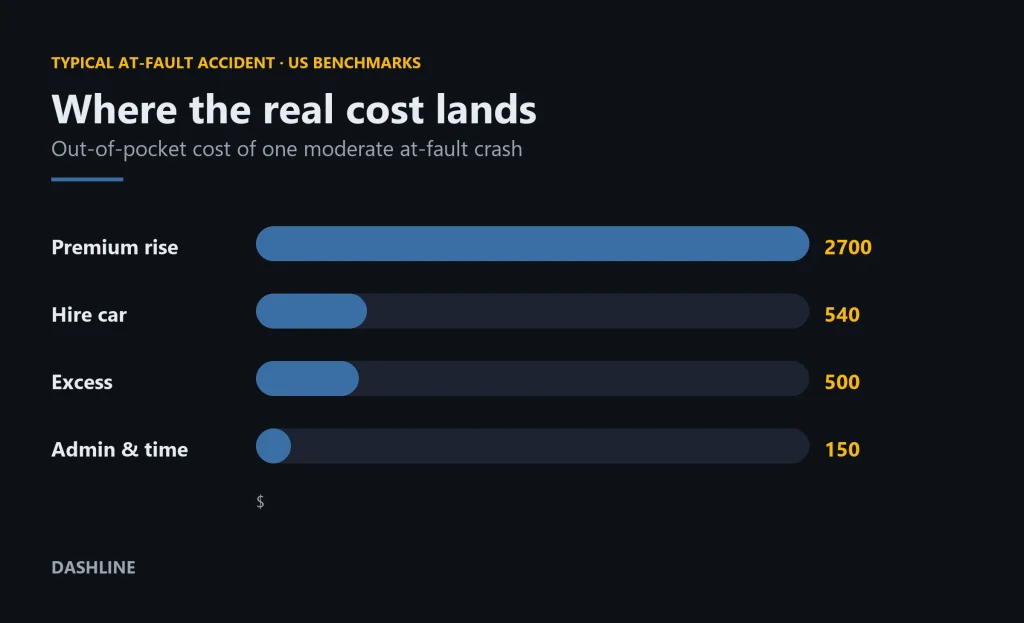
A discount is rare. The real value is the claim.
No automatic discount
Most insurers don’t cut your premium just for fitting a dash cam. Treat any direct discount as a bonus, not the reason to buy. To put real numbers on your own situation, try our free dash cam insurance savings calculator.
Some regions reward it
A few insurers — notably in the UK — offer modest reductions (often around 10%) for an approved camera. Always check your own policy.
Claims are where it pays
Clear footage can prove fault, settle disputes faster and help protect your no-claims record after an incident.
How footage helps a claim, step by step
From the moment of impact to a faster, fairer outcome.
Step 1
The incident
A collision, a hit-and-run or a knock while parked — the camera records it in 4K.
Step 2
The clip is locked
The G-sensor saves that moment so loop recording can’t overwrite it.
Step 3
You submit footage
Pull the clip over WiFi and share it with your insurer alongside the claim.
Step 4
A faster, fairer outcome
Objective evidence helps resolve fault — often quicker, and on your side when you’re not to blame.
What footage helps with — and what still depends
What footage helps with
- Proving fault in an ambiguous collision
- Capturing hit-and-run or parking damage
- Adding context to a he-said-she-said dispute
- Discouraging staged-accident “crash for cash”
What still depends
- Your insurer and the terms of your policy
- The country or region you drive in
- Footage clarity — speed, distance, glare, light
- Whether the insurer accepts the footage as evidence
Related: can a dash cam read plates at night? · how parking mode works · best front and rear dash cam · what to do after a hit-and-run
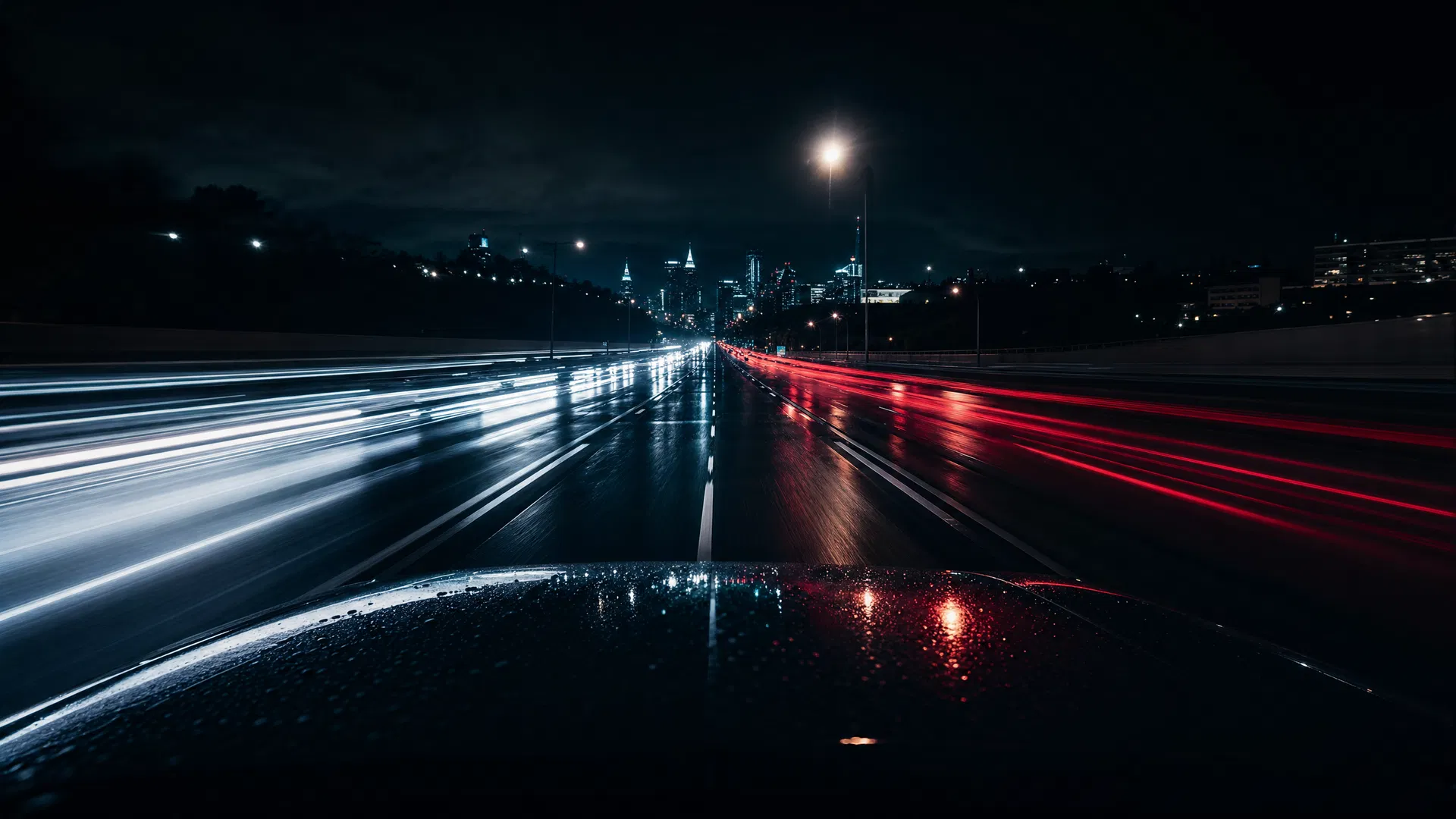
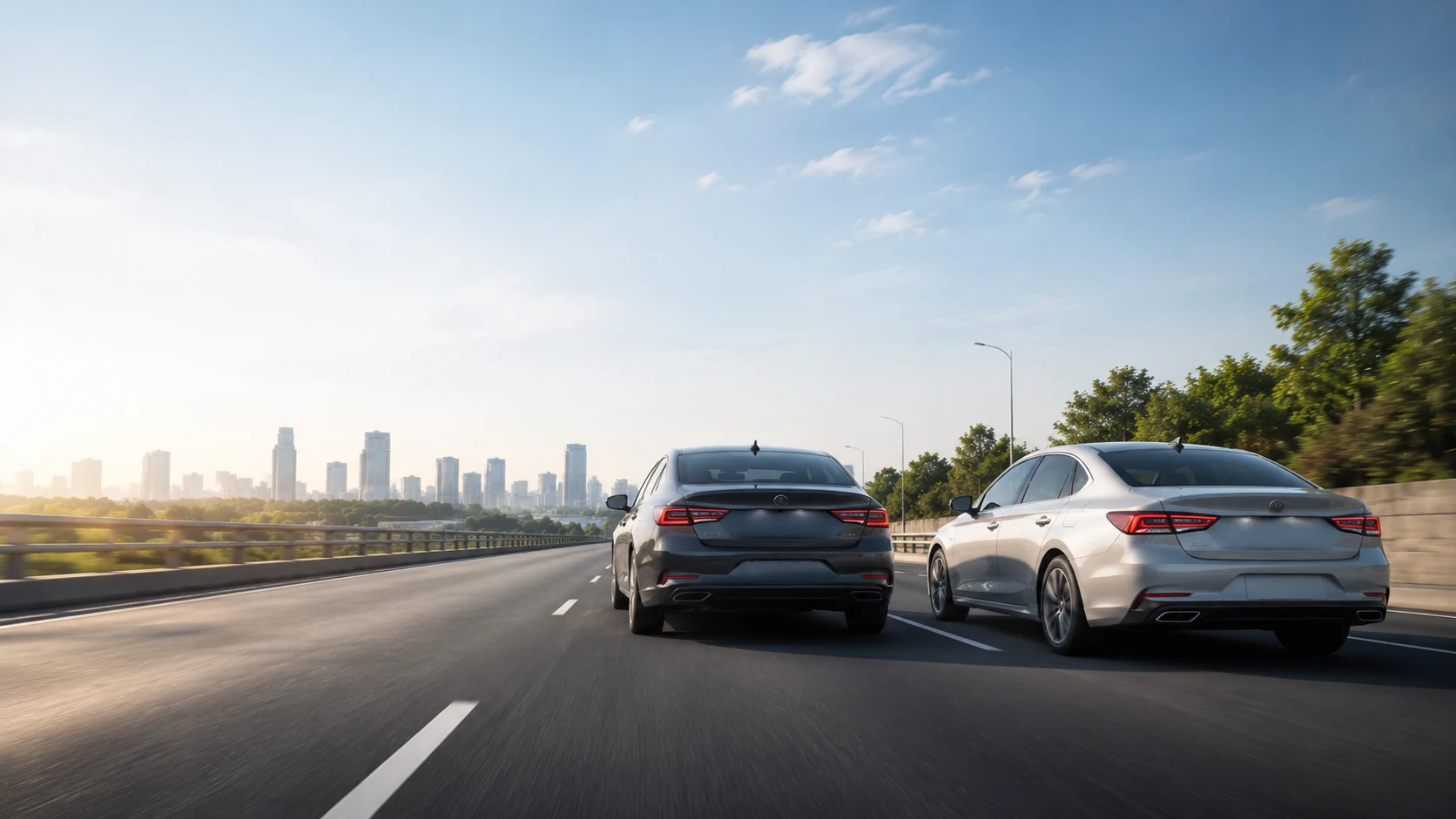
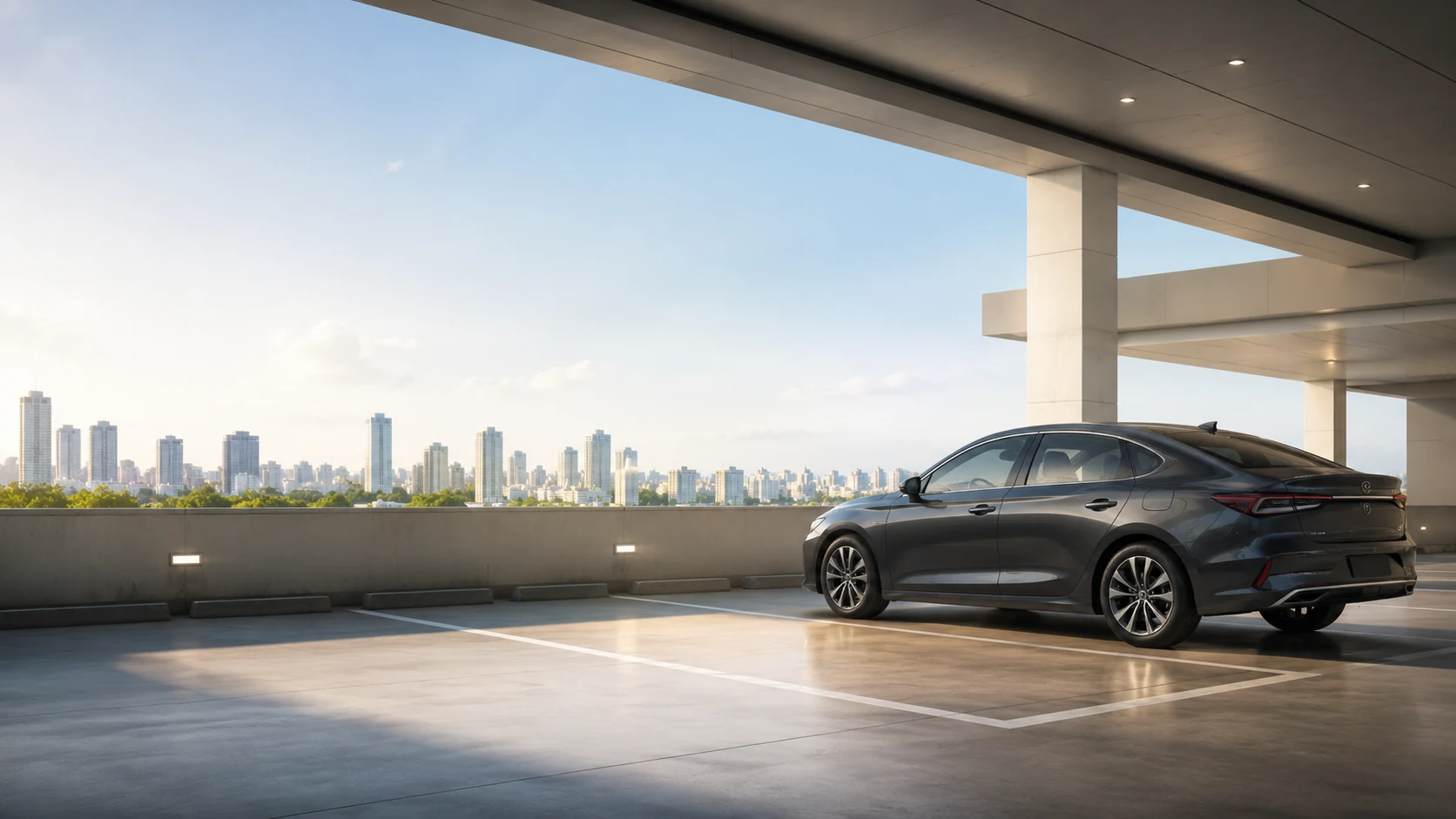
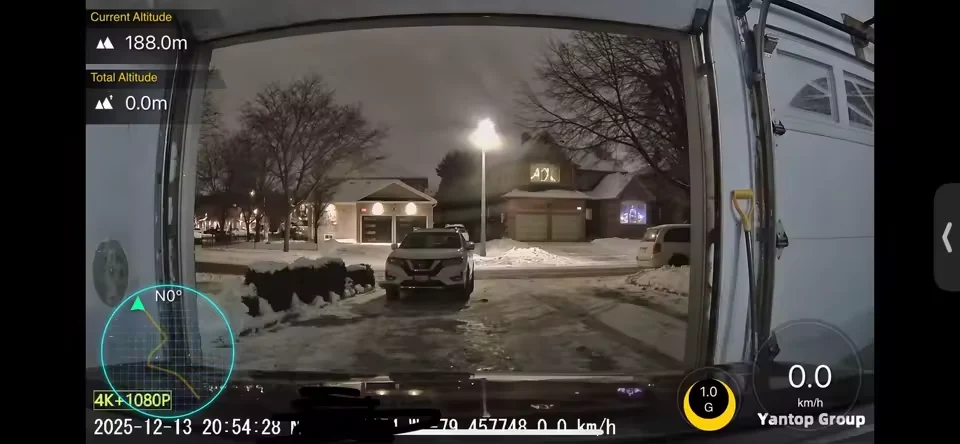
The kind of evidence that helps a claim
Each scene is what the camera is built to document — with an honest note on its limits.
Match the cover to your risk
Where you drive and park decides how much coverage is worth it.
Mostly highway commuting
Forward incidents are your main risk. Clean front evidence is usually enough.
Best fit: Standard — Front Only
City driving, mixed parking
You want context front and behind for tight streets and traffic.
Best fit: Dual Cameras — Front + Rear
Street parked, high exposure
Long unattended hours mean parking cover earns its keep.
Best fit: Full — Front + Rear + 24H Parking
Choose your setup
One camera. Three levels of protection.
From everyday recording to full 24/7 surveillance — pick the package that matches how you drive.
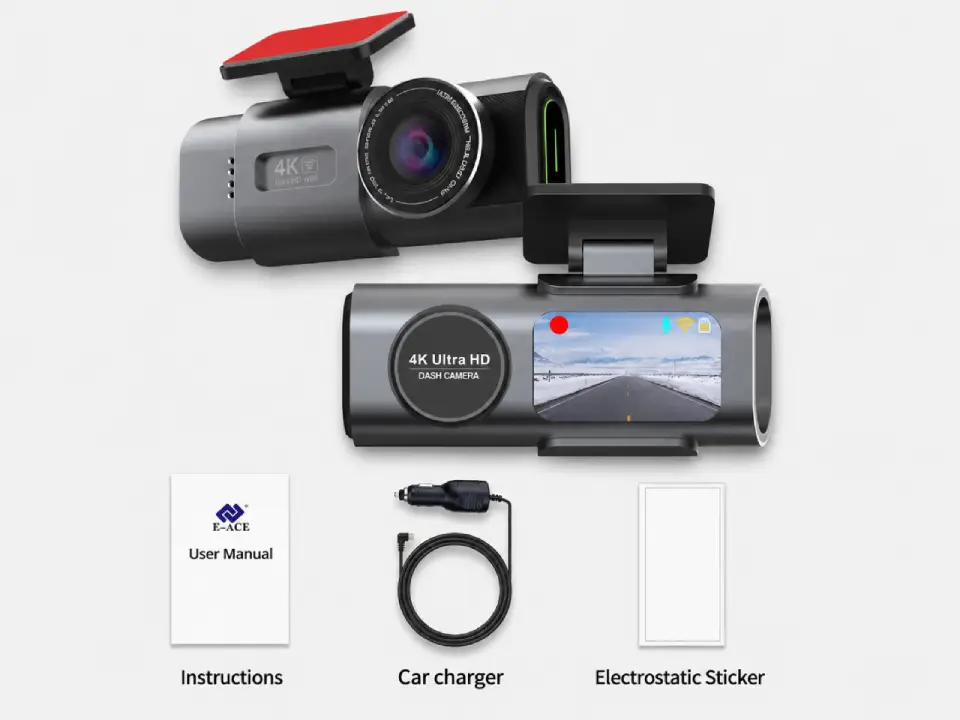
Standard
Package contents
- Front camera
- Car connection cable
- Magnetic sticker
Most popular
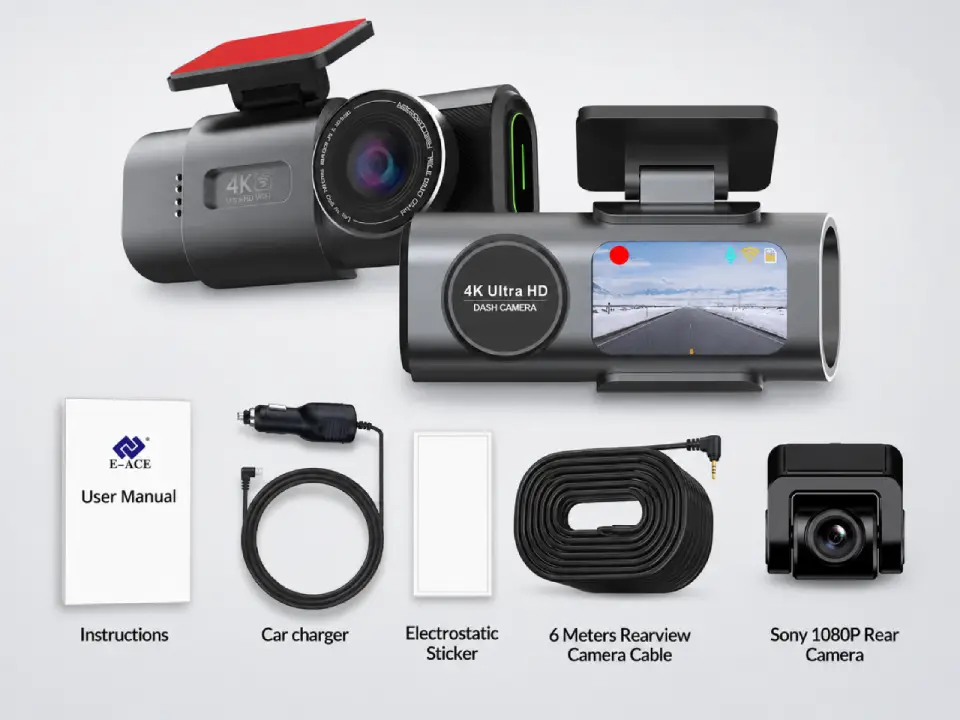
Dual Cameras
Package contents
- Everything in Standard
- Sony rear camera
- 6-meter connection cable
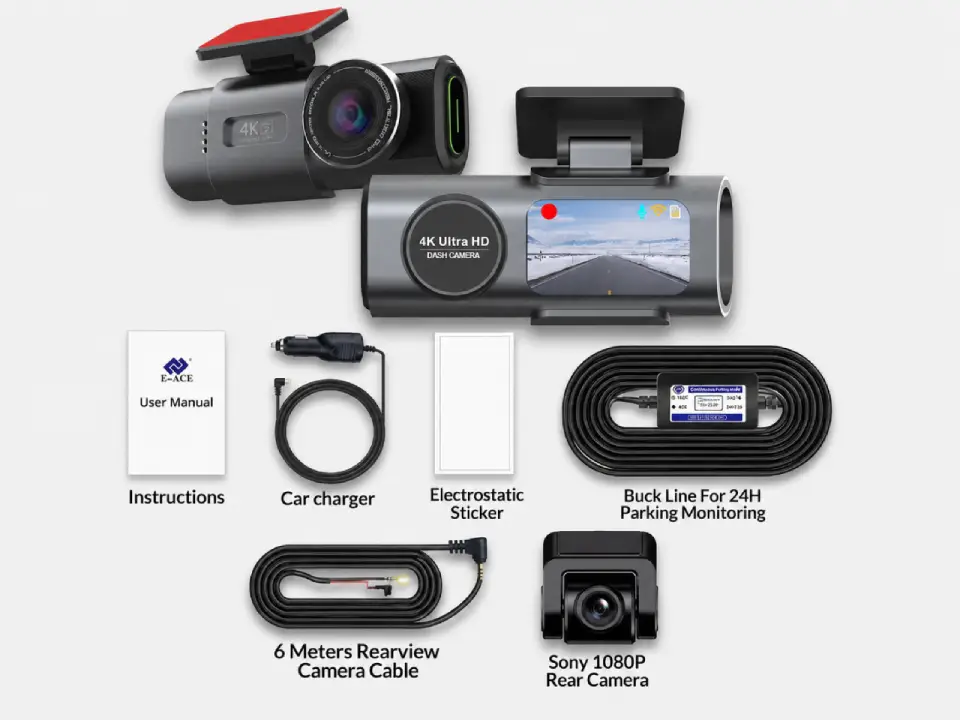
Full Protection
Package contents
- Everything in Dual Cameras
- 24h-compatible battery
- Live view from parked car
Free Shipping
5–10 days across Europe
Secure Payment
Apple Pay · PayPal · Stripe
2-Year Warranty
Full hardware coverage
30-Day Return
No questions asked
Dash cams & insurance — common questions
Will my insurer give me a discount for a dash cam?
Maybe, but don’t count on it. Most insurers offer no formal dash-cam discount; a few — especially in the UK — give modest reductions for an approved camera. Check your specific policy before assuming a saving. In the US, any saving usually comes from a telematics or safe-driver program (such as Progressive Snapshot), not from the dash cam itself.
Can dash cam footage actually be used in a claim?
Often, yes. Insurers and courts in many regions accept clear dash-cam footage as supporting evidence. Acceptance and weight vary by insurer and jurisdiction, so it supports your case rather than guaranteeing an outcome.
Does it help if the crash wasn’t my fault?
That’s where it shines. In ambiguous incidents — junctions, lane merges, car parks — objective footage can establish fault, which may protect your no-claims record and speed up settlement.
Will it protect my no-claims bonus?
It can. If footage shows you weren’t at fault, a not-at-fault outcome generally leaves your record and premium unaffected — but the final decision rests with your insurer.
Does a dash cam help against staged “crash for cash” scams?
Yes, it’s one of the strongest deterrents. Continuous footage makes induced or staged collisions far harder to pass off, which is a real risk on busy roads.
Will it read the other car’s number plate?
Sometimes — it depends on speed, distance, angle and light. The 4K sensor improves your odds versus 1080p, but no dash cam can promise a readable plate in every situation.
Protect your side of the story
A dash cam may not cut your premium — but when a claim comes down to who did what, 4K footage speaks for you.
Free EU shipping · 30-day return · 2-year warranty · Secure payment
Leave a Reply