
Dash Cam Guides · For older drivers
A dash cam for older drivers
Quiet, objective evidence for the low-speed bumps and unfair blame that older drivers face most — without turning their car into a tracker.
See what it protects →The quiet unfairness
When there is no record, the blame drifts
A slow knock in a car park, or a “you pulled straight out on me” at a junction, usually comes down to one driver’s word against another’s. Without footage, an older driver is more often the one assumed to be at fault.
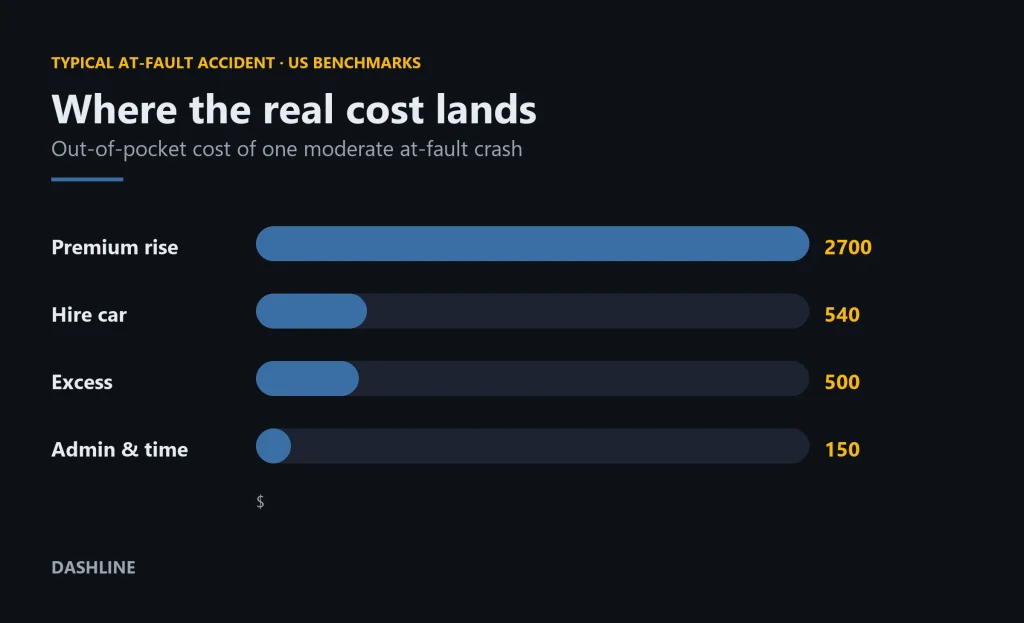
That single disputed claim can quietly cost more than an excess. It chips at a no-claims record, at confidence, and at the sense of independence that driving protects. A dash cam changes none of how someone drives. It simply keeps the truth on record for the moment it’s questioned.
The 30-second answer
What a dash cam is — and isn’t — for an older driver
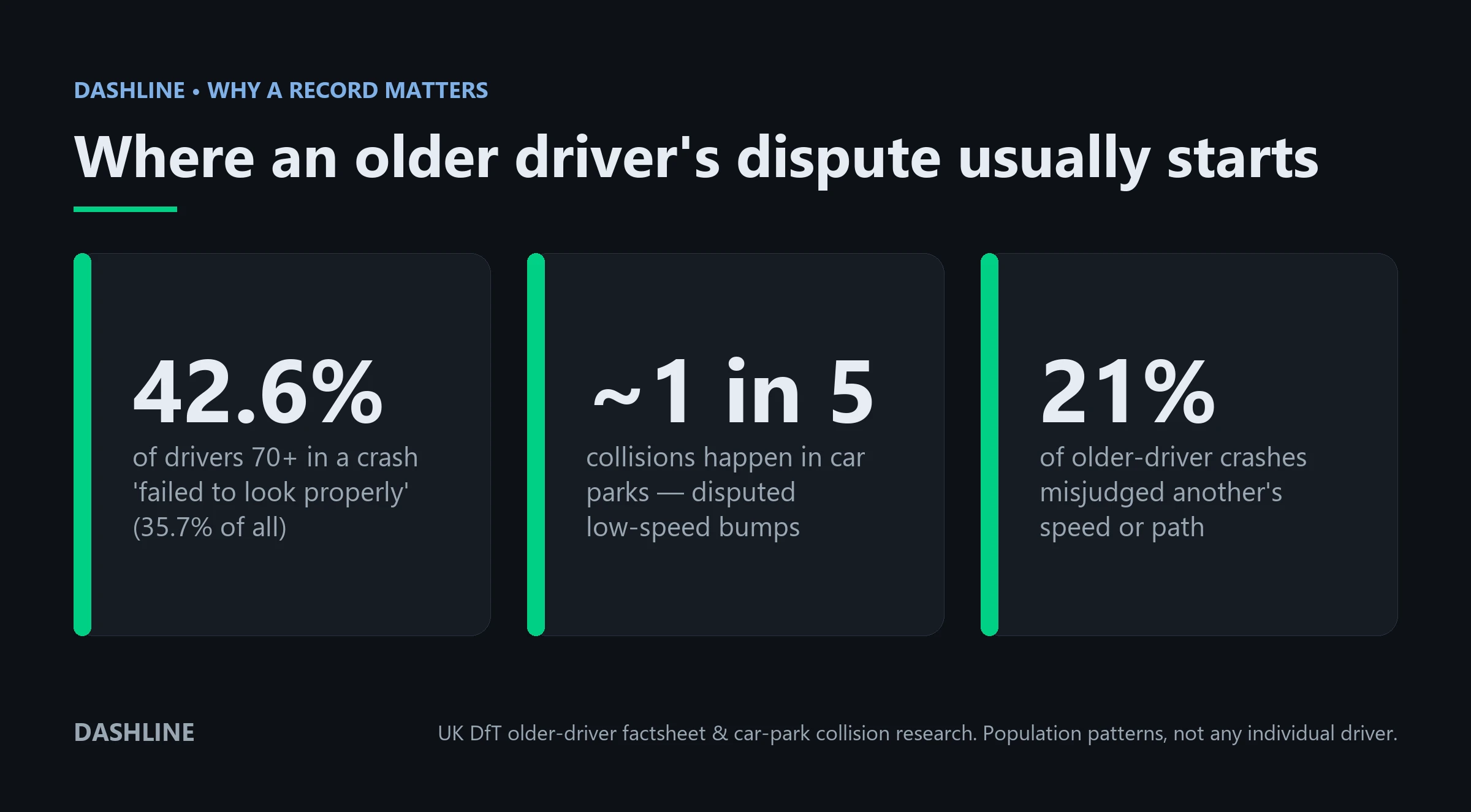
The pattern, in numbers
Older drivers meet a specific kind of dispute
It isn’t about dramatic crashes. It’s the slow, contested, easy-to-blame incidents — the ones where a clear record does the most work.
Which worry sounds like yours?
Pick the situation. See what the footage really does.
The car-park bump
Car parks are where roughly one in five collisions happen, almost always at low speed and often with no independent witness. A reversing car clips the bumper, and the story changes by the time details are exchanged.
A running 4K record fixes who was moving and when. The front camera captures anything ahead; most car-park hits, though, come from behind or the side.
Honest: for knocks from behind, a rear camera (the Dual Cameras package) is what actually sees it — the front unit alone won’t.The junction dispute
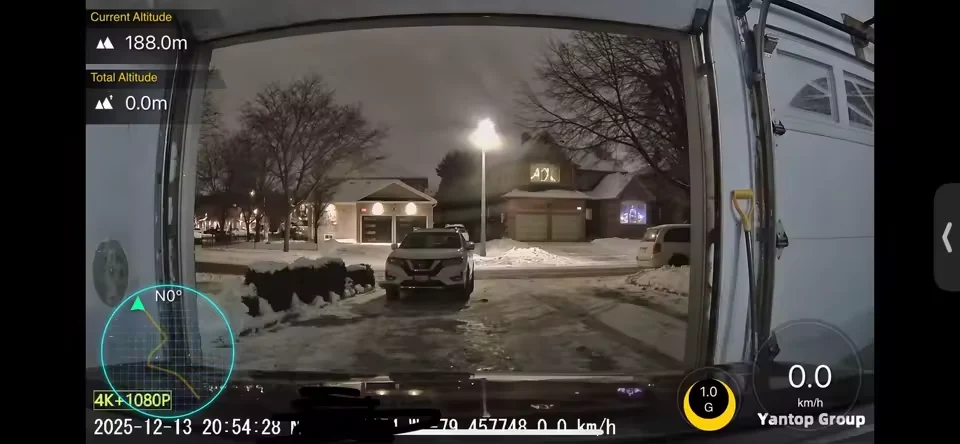
Right-of-way disagreements are the classic older-driver flashpoint — and the data shows misjudging another car’s speed or path is more common with age. Footage carries a GPS-stamped speed and a clear view of who had the line.
Honest: a clip is strong evidence, not a guaranteed verdict. It gives an insurer something real to weigh instead of two opposing stories.The exaggerated claim
A gentle knock can become a claim for serious injury or damage that never happened. Continuous, time-stamped 4K shows the actual force of the contact — how slow, how minor.
Honest: it doesn’t stop a claim being filed. It gives your insurer the footage to challenge one that’s inflated.Less sure after dark
The 170° wide lens and night vision record more of the scene in low light, so an after-dark incident is still captured clearly rather than lost to glare and shadow.
Honest: it improves the record, not the driver. It is not a night-vision aid, a warning system, or a substitute for choosing not to drive when conditions feel unsafe.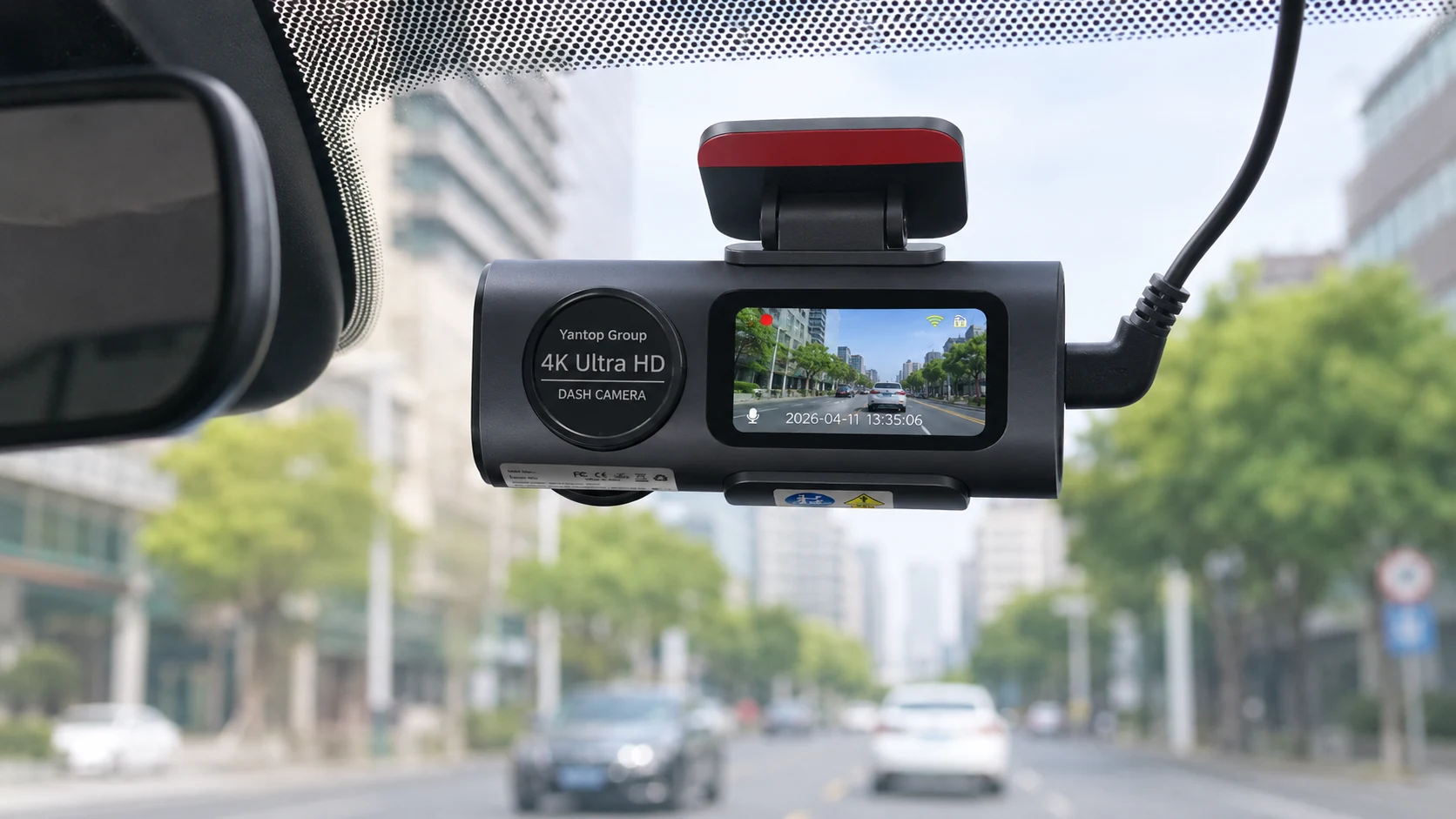
Made to be forgotten
Wide enough to catch what they didn’t
The 170° lens takes in the full width of a junction or a car-park lane — the car that crept in from the side, not just the one straight ahead. It runs the moment the engine starts.
There is nothing to switch on and nothing to remember. It loops over old footage automatically, and a built-in G-sensor locks the clip the instant it feels an impact, so the important seconds are never overwritten. The only time anyone touches it is to pull a clip — if something actually happens.
Which protection fits
Match the camera to how they actually drive
Most older drivers don’t need the most complex setup — they need the one that covers their real risk. Three honest starting points.
Mostly local, daytime errands
Shopping runs, the surgery, the school pick-up. A single front camera covers the disputes that happen ahead — junctions, someone pulling out, the car in front stopping short. The simplest option, from €85.95.
Reverses often, or carries grandchildren
If the worry is being hit from behind, tailgating, or the reversing knock in a car park, the rear camera is the half that actually sees it. See our front and rear guide for how the two work together.
Parked on the street or a shared lot
Adds hardwired parking mode, so the camera keeps a motion- and impact-triggered watch while the car sits unattended overnight — the hit-and-run you come back to find.
It’s their car, and their record
Protection for them — not a check on them
The fastest way for a dash cam to feel like surveillance is to treat it as one. It works best when it stays what it is: the driver’s own evidence, kept in the driver’s own car.
How to raise it kindly
- Frame it as protection for them — against unfair blame, not against their driving.
- Show them the footage lives in the car and is theirs to review or delete.
- Let it be their decision. A camera they chose is one they’ll keep.
- Point to the real payoff: one less thing to argue about after a knock.
What keeps it their own
- Wi-Fi is local only — no one watches a live feed or checks in from afar.
- There is no location tracking. GPS is stamped into the clip, never transmitted.
- Footage never leaves the car unless they choose to share a specific clip.
- It films the road ahead — it is not a camera pointed at them.
Where we’re honest with you
Four things it is not
If a camera is going to earn a place in a parent’s car, it has to be sold honestly. Here is what this one will not do.
Not a safety-assist device
It has no collision warning, lane-departure alert, or automatic braking. It records what happens — it does not intervene to prevent it.
Not a live tracker
You cannot watch where the car is or see a live feed. GPS is written into the footage only; nothing is sent anywhere.
Not accident prevention
It’s evidence after the fact, not a guardian angel. It protects the account of what happened, not the moment itself.
It records them, too
Their speed, their lane and any in-car audio are on the clip. That honesty cuts both ways — which is exactly why it’s trusted.
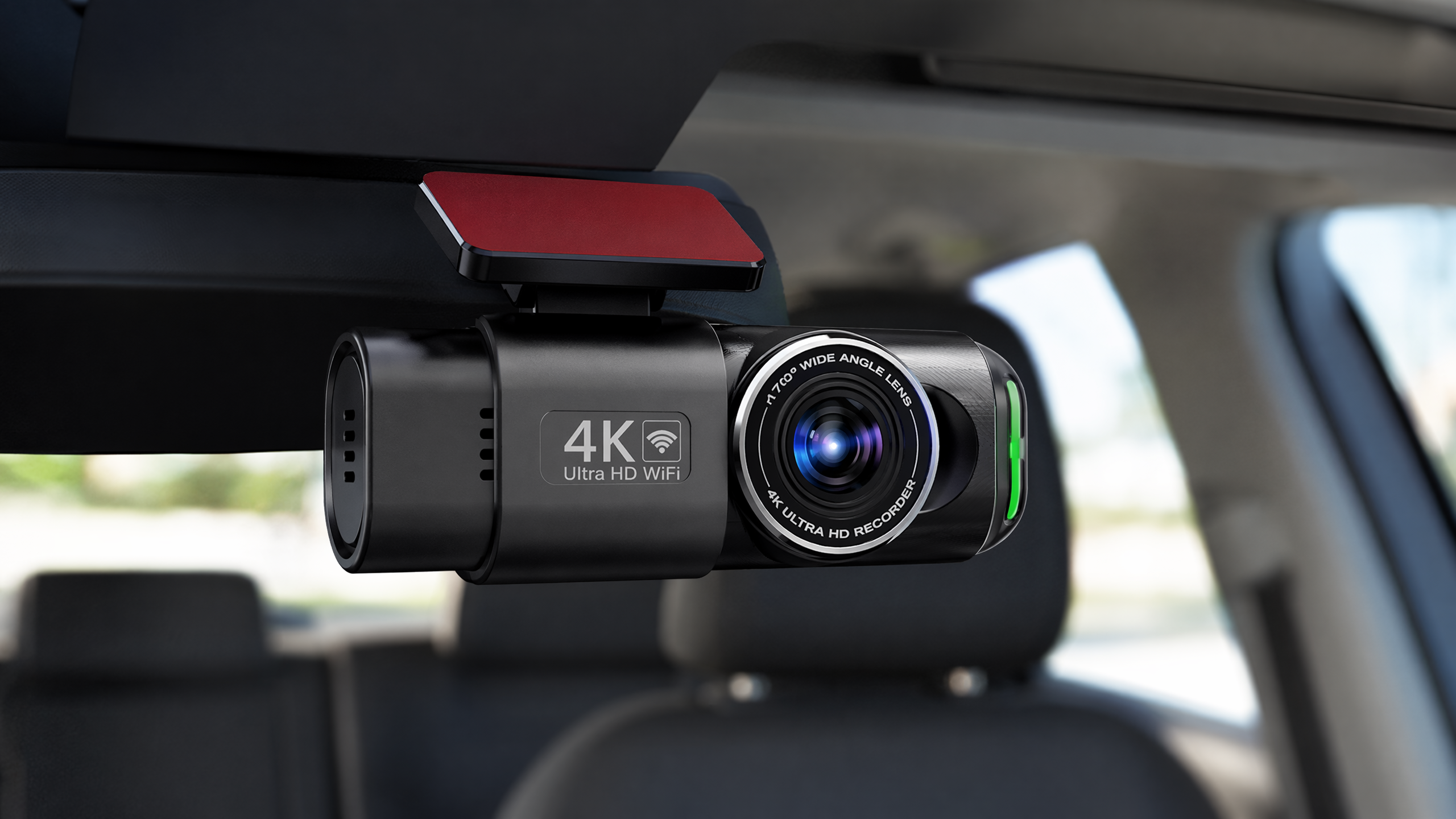
The camera doing the watching
Simple on the dash. Serious on the record.
- 4K Ultra HD, 170° wide field of view
- Night vision for after-dark clarity
- Automatic loop recording — nothing to operate
- G-sensor locks the clip on impact
- Local Wi-Fi to a phone — no cloud, no subscription
- microSD card included in the box
From €85.95 · one-time. No monthly fee, ever.
View the camera →Choose your setup
One camera. Three levels of protection.
From everyday recording to full 24/7 surveillance — pick the package that matches how you drive.
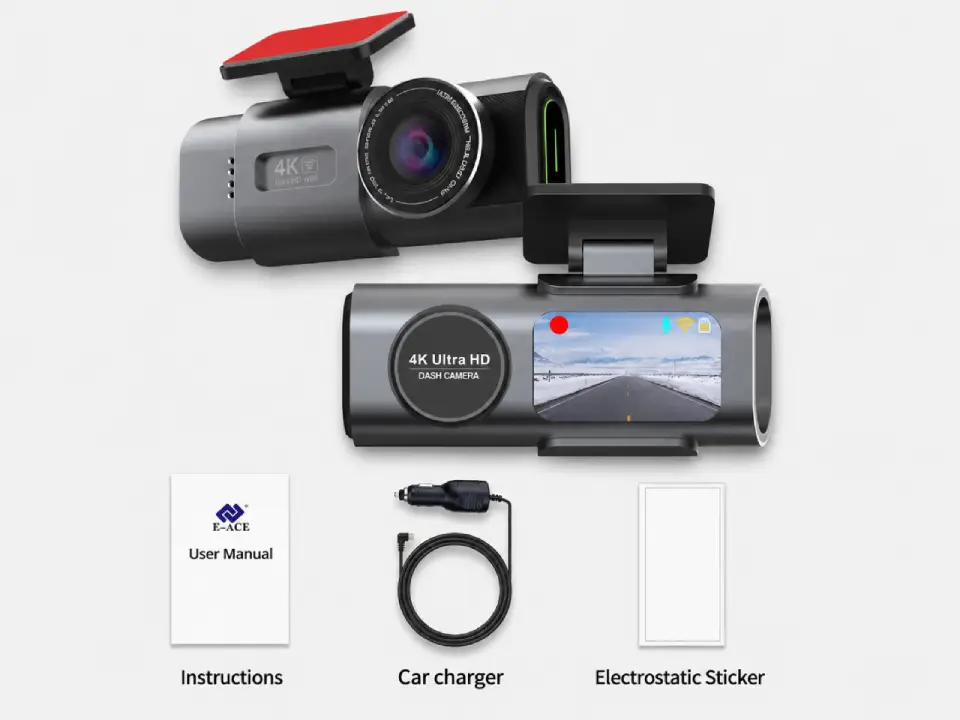
Standard
Package contents
- Front camera
- Car connection cable
- Magnetic sticker
Most popular
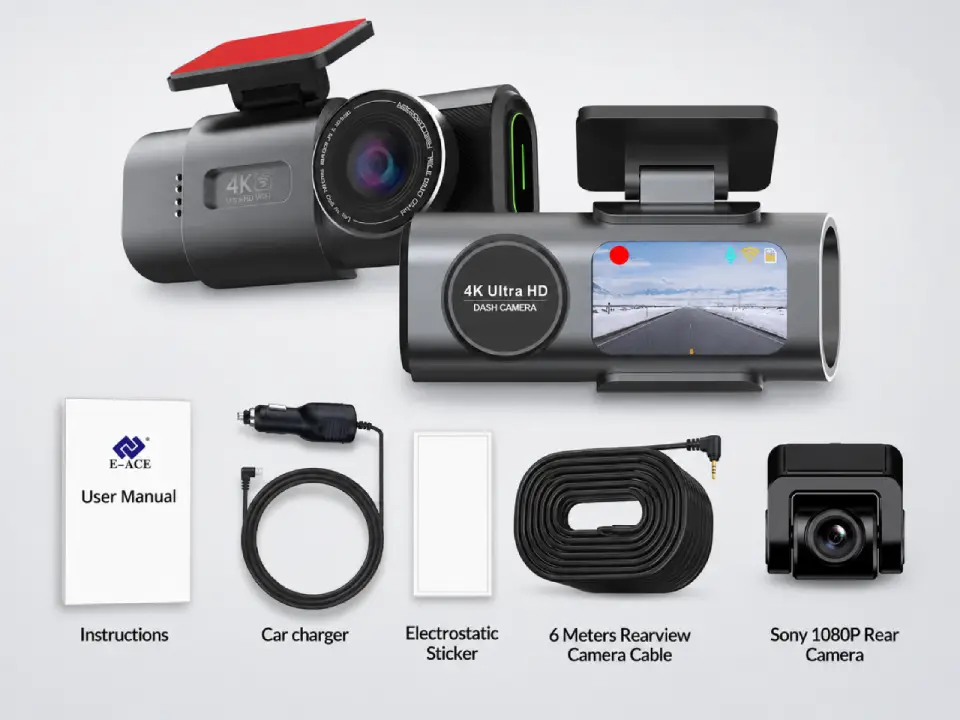
Dual Cameras
Package contents
- Everything in Standard
- Sony rear camera
- 6-meter connection cable
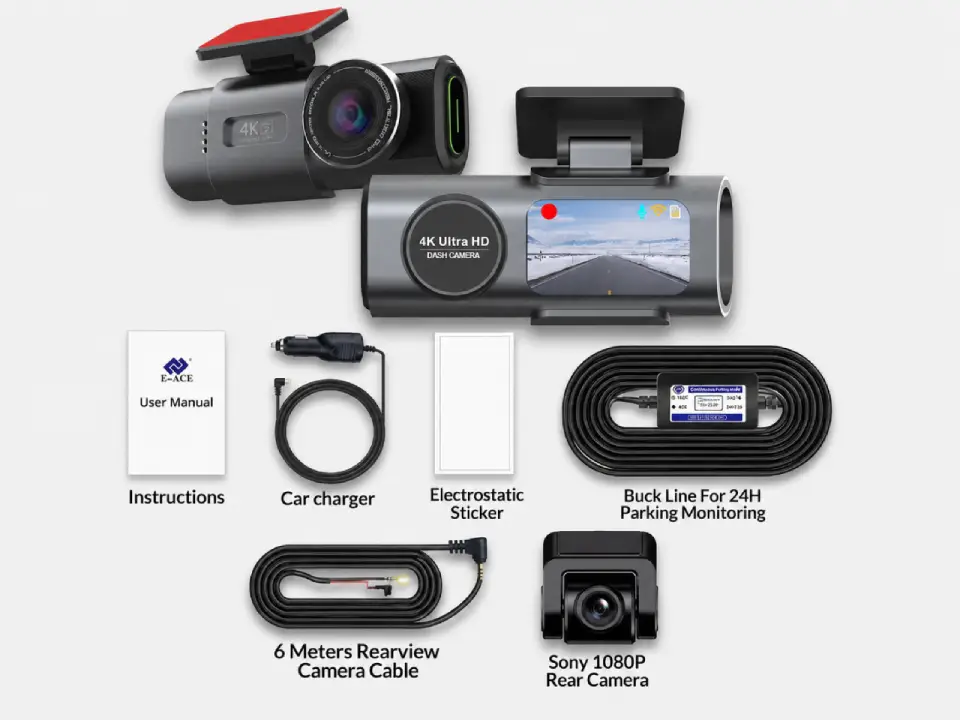
Full Protection
Package contents
- Everything in Dual Cameras
- 24h-compatible battery
- Live view from parked car
Free Shipping
5–10 days across Europe
Secure Payment
Apple Pay · PayPal · Stripe
2-Year Warranty
Full hardware coverage
30-Day Return
No questions asked
Questions families ask
Dash cams for older drivers, answered
Is a dash cam a good idea for an elderly driver?
Yes — mainly as an objective witness in the low-speed, disputed incidents older drivers meet most, from car-park bumps to right-of-way disagreements. It is not a safety-assist or monitoring device, so buy it for the evidence, not for warnings.
Can I use it to check on my parent’s driving remotely?
No. The Wi-Fi is local only, so there is no live feed and no location tracking. Footage stays on the card in the car until they choose to review or share a clip. It is their record, not a remote monitor.
Does it warn about collisions or lane drift?
No. This camera records; it has no driver-assist alerts, automatic braking, or lane-departure warnings. If those features are what you’re after, this isn’t the right device — and any dash cam claiming them is doing something different from what we sell.
Is it hard for an older person to operate?
No. It records automatically on a loop from the moment the car starts, and the G-sensor locks a clip on impact by itself. Day to day there is nothing to press, charge, or manage.
Front only, or front and rear?
A front camera covers the disputes that happen ahead. A rear camera adds the rear-end hits and reversing car-park knocks that come from behind — often the exact incidents older drivers worry about. Our front and rear guide compares the two.
Will it lower their car insurance?
Sometimes, but it’s not guaranteed — a few insurers offer a small discount, many don’t. The dependable value is having footage to settle a claim. We cover this honestly in does a dash cam lower insurance.
Is it legal to record while driving?
Recording the road ahead is generally fine. Rules on in-car audio and on sharing footage vary by region, so it’s worth a quick check of local guidance before publishing any clip publicly.
What should we do if there’s an incident?
Make sure the clip is locked or saved, don’t post it publicly before speaking to the insurer, and hand the original file over intact. Our what to do after an accident guide walks through the calm version.
Peace of mind, quietly earned
One less thing to worry about on every drive
Subscription-free 4K, honest about what it does. For the driver in your life, or for you.
View the camera Compare packages
Leave a Reply