
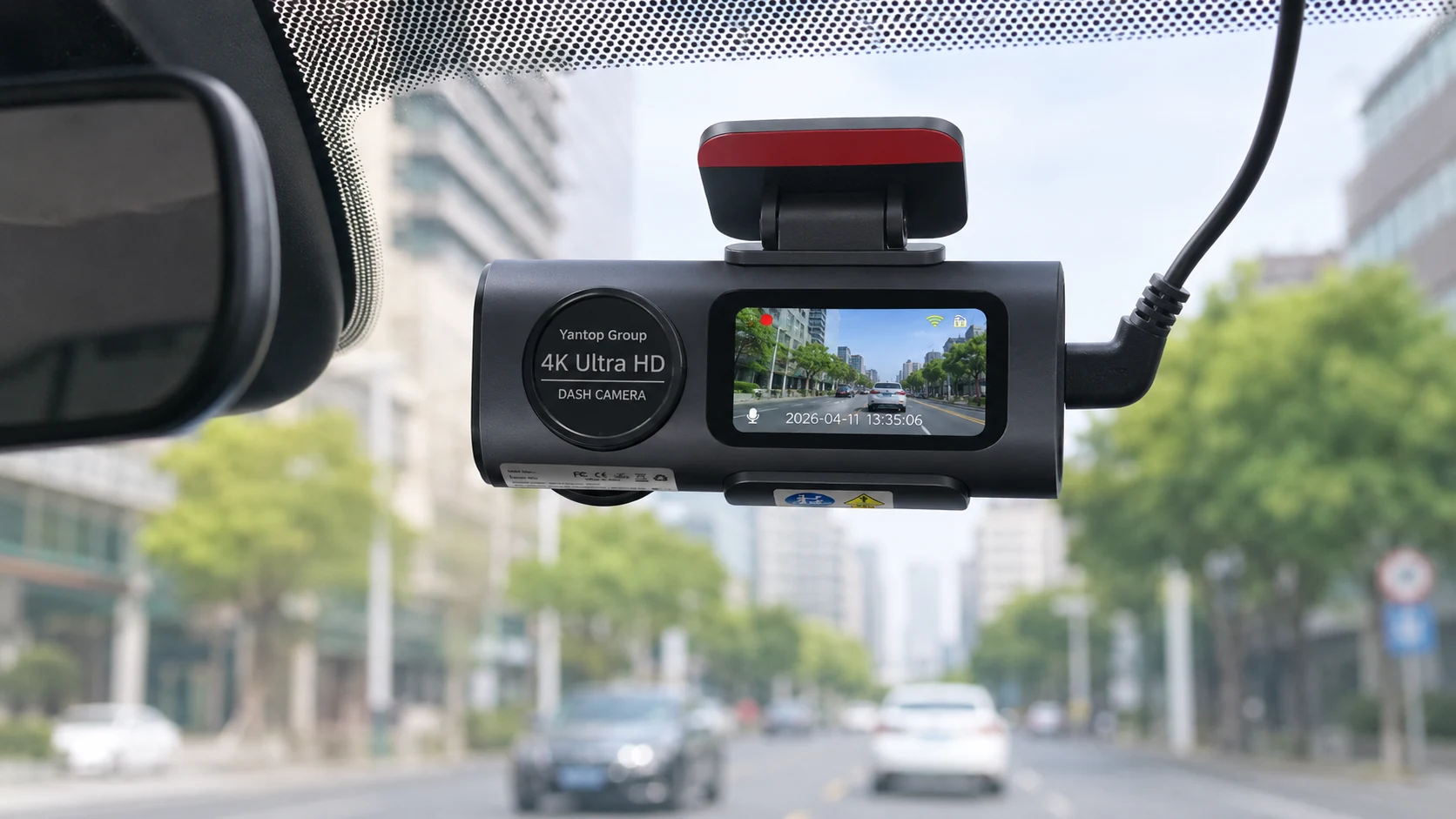
Dash Cam Laws · Plain-Language Guide
Are dash cams legal? The honest answer.
Filming the road from your own car is allowed almost everywhere. Audio, mounting and sharing footage are where the rules get specific — here’s how to stay on the right side of them.
A camera you control — record video only, or add audio. Your call.
The question before the purchase
“Is this even legal where I drive?”
It’s the doubt that stops a lot of people from buying a dash cam. They’ve heard a camera “isn’t allowed,” that recording people is a privacy breach, or that footage gets thrown out in court. Some of that is true in specific situations. Most of it isn’t.
The confusion usually comes from mixing three separate things: filming the road, recording audio, and sharing the footage. They follow different rules. Once you separate them, the picture gets simple — and you stay in control of all three.
The reassuring part: the default use — a camera pointed at the road, recording your own drive — is the part that’s clearly allowed almost everywhere. The exceptions are narrow and easy to work around, and the law mostly asks you to be sensible about other people’s privacy.
The 30-second answer
In most countries it is legal to film the road from your own vehicle, and many insurers welcome the footage. The nuance is audio (some regions need everyone’s consent), where you mount it (it can’t block your view), and how you share clips (don’t post identifiable people without good reason).
This is general guidance, not legal advice — rules differ by country and US state, so check your local ones before you rely on this.
The three rules that actually matter
Three things, three different rules
Almost every dash cam law question is really one of these three. Read across each row for the honest status and what to do.
| What you’re doing | Status | The honest move |
|---|---|---|
| Filming the road | Usually fine | Recording public roads from your own car is legal across the US, the UK and most of Europe. Just keep the camera out of your line of sight. |
| Recording audio | Depends where | Most places allow it with one party’s consent (you). A handful of US states and some countries need everyone’s consent. The mic toggles off in seconds. |
| Sharing the footage | Be careful | Give clips to your insurer, the police or your lawyer freely. Before posting publicly, blur faces and plates — identifiable people online can raise data-protection issues. |
You decide what it hears
The microphone is a setting, not a fixture
Audio is the one part of dash cam law that changes by region. So Dashline puts it on a switch. Flip it and see exactly what each mode means.
Records the road, GPS and speed — no sound.
With the mic off you sidestep every audio-consent rule on the map. Video quality, GPS logging and incident lock-up are completely unaffected — the footage still tells the full story of what happened.
The simplest choice if you carry passengers, drive for work, or just don’t want to think about it.
Adds in-cabin sound to the footage.
Audio can capture an admission of fault, an aggressive exchange, or your own calm account at the scene — genuinely useful evidence. In most places one-party consent (yours) is enough.
In all-party-consent regions, tell passengers or add a small “audio & video recording” notice — or simply leave it off.
Tap the switch to compare both modes.
The three questions drivers ask
Real situations, answered honestly
Passengers & rideshare
Filming people inside your car
Usually fine
Recording your own cabin is legal in most regions; audio is the only sensitive part. Rideshare and taxi drivers do this routinely.
Leave audio off, or tell riders it’s recording — many drivers add a small visible notice. See it as courtesy plus compliance.
Your parked car
Filming the street while parked
Usually fine
A camera watching the road or a car park while you’re away is allowed — it’s the same public view you’d see yourself. Useful for hit-and-runs.
Parking mode needs continuous power. Learn how that works in our parking-mode guide.
After an incident
Sharing a clip as evidence
Be careful
Handing footage to your insurer, the police or a lawyer is exactly what it’s for, and it’s widely accepted. Posting it publicly is the grey area.
Share privately without worry. Before any social post, blur faces and number plates so you don’t expose identifiable people.
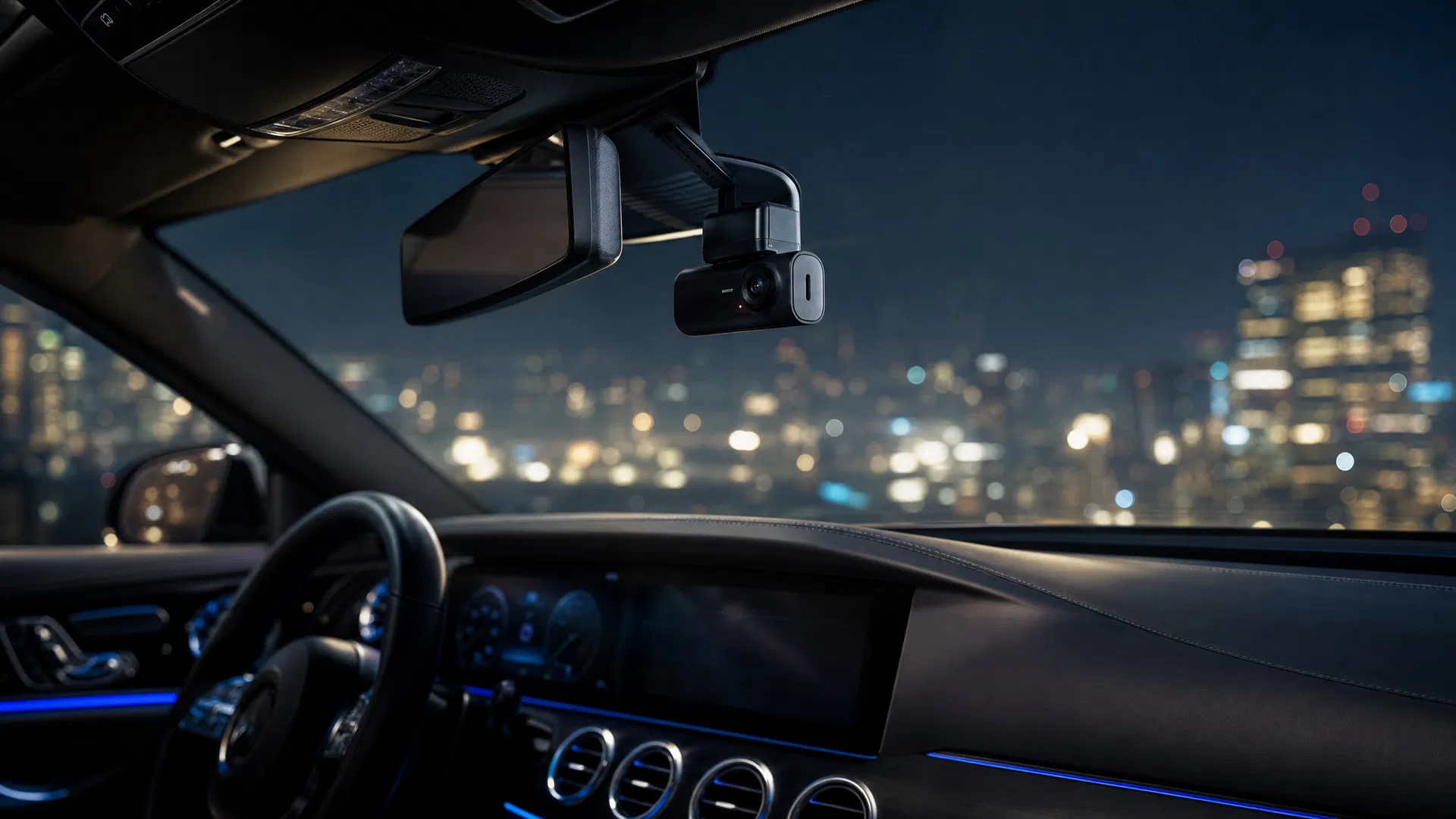
What’s actually in the file
Recorded by you. Stored with you.
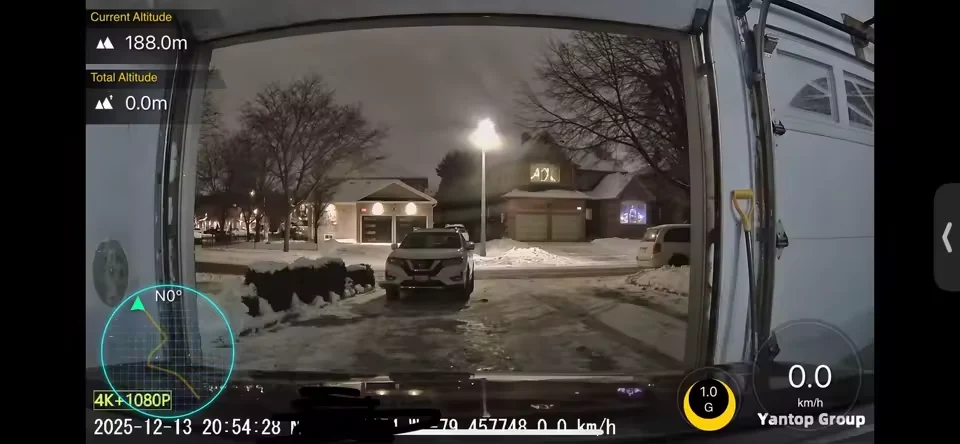
Each clip holds the road video, a GPS and speed track, and — only if you enable it — cabin audio. That’s it. The footage is written to a microSD card inside the camera, not uploaded to anyone’s cloud.
There’s no subscription and no remote server holding your drives. The Wi-Fi link is local — phone to camera, in the car — so the only person who can pull a clip is you. That’s a meaningful privacy advantage over connected, always-online cameras.
It also makes the legal side simpler. Footage that never leaves your card can’t be quietly shared, mined or leaked by a third party — what happens to it is entirely your decision, which is exactly how data-protection rules expect personal recordings to be handled.
Where to be careful
The honest fine print
A dash cam is a strong, lawful tool — as long as you respect four limits.
Audio needs consent in some places
A handful of US states (such as California, Florida and Illinois) and certain countries require all parties to agree before you record a conversation. When in doubt, drive with audio off.
Mounting can’t block your view
It must not obstruct the driver’s sight line. The usual safe spots are behind the rear-view mirror or high in the passenger-side corner — never centre-of-screen.
Posting footage has data rules
Sharing with insurers, police or lawyers is fine. Publishing clips that identify people or plates online can breach data-protection law (GDPR in Europe) without a good reason — blur first.
A few countries restrict or ban them
Within the EU dash cams are fine in places like France and Italy, restricted in Germany, and banned in Austria and Portugal. Check the rules of any country you’ll drive in. This page is guidance, not legal advice.
However you record, one camera
One camera. Three setups.
Video-only or with audio, the choice is yours — pick the hardware that matches how you drive.
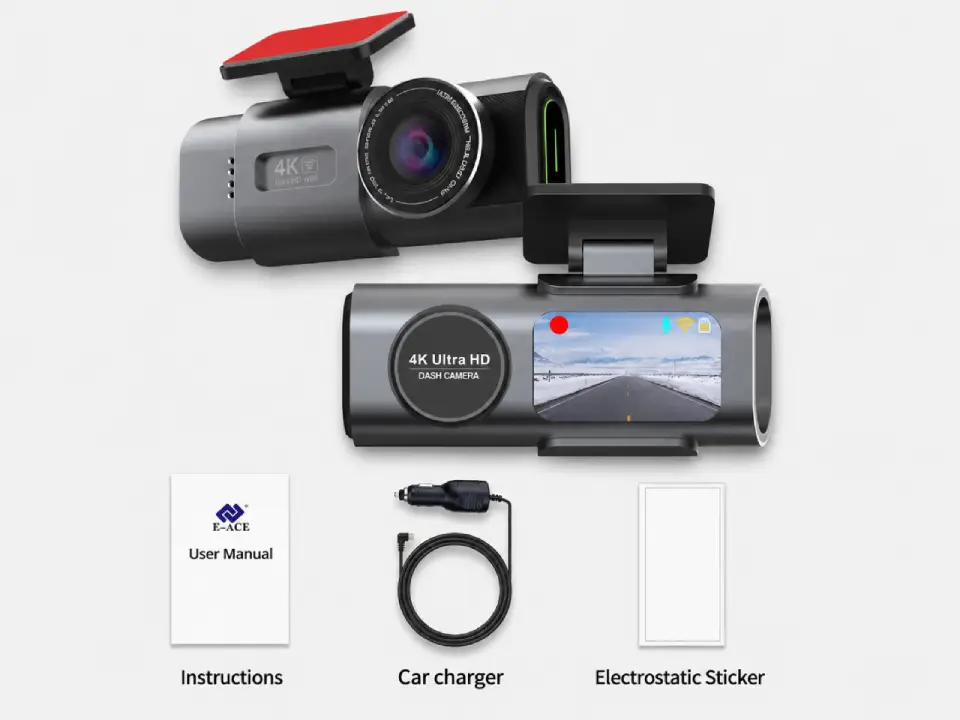
Standard
Package contents
- Front camera
- Car connection cable
- Magnetic sticker
Most popular
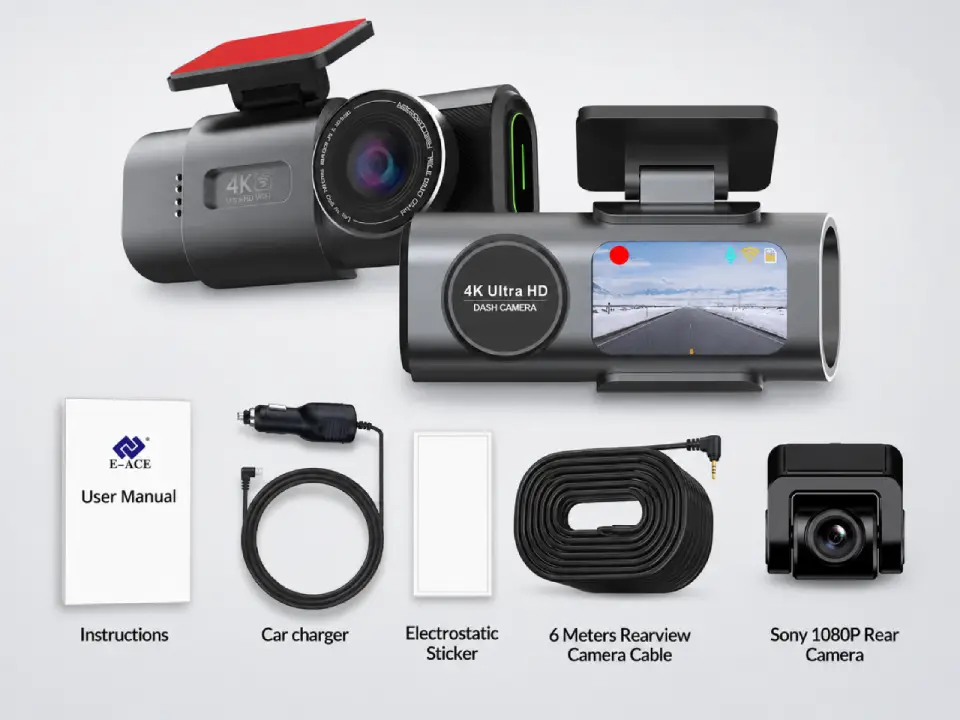
Dual Cameras
Package contents
- Everything in Standard
- Sony rear camera
- 6-meter connection cable
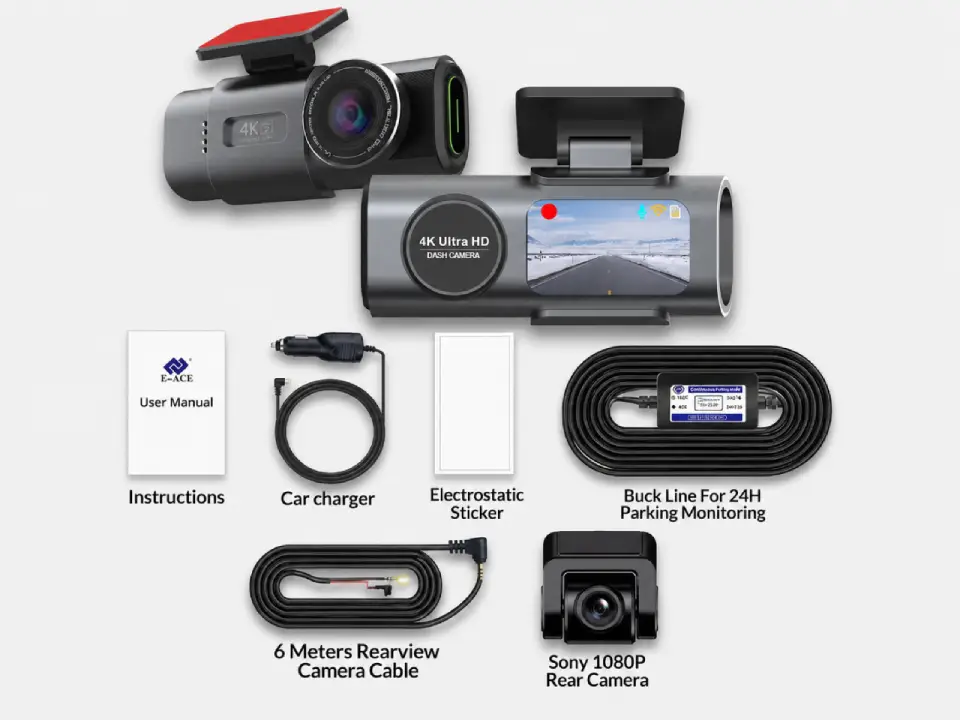
Full Protection
Package contents
- Everything in Dual Cameras
- 24h-compatible battery
- Live view from parked car
Free Shipping
5–10 days across Europe
Secure Payment
Apple Pay · PayPal · Stripe
2-Year Warranty
Full hardware coverage
30-Day Return
No questions asked
Common questions
Dash cam law, answered
The short, practical answers to what drivers actually ask before they buy. For anything country-specific, treat these as a starting point and confirm your local rules.
Are dash cams legal?
Yes. Using a dash cam in your own vehicle and filming the public road is legal across the US, the UK and most of Europe. A small number of countries restrict or ban them, and a few rules apply to audio, mounting and sharing footage — covered above.
Can I record audio in my car?
In most regions yes, because you (one party) consent. Some US states and countries require everyone in the car to consent. The Dashline microphone toggles off in the settings, which keeps you compliant anywhere with no loss of video quality.
Do I have to tell passengers they’re being recorded?
In one-party-consent areas, no. In all-party-consent areas you should — a quick heads-up or a small “audio & video recording” notice covers it. Many rideshare and taxi drivers do this as standard. The simplest alternative is to leave audio off.
Can I use dash cam footage as evidence or for insurance?
Yes. Insurers and police widely accept dash cam footage, and many insurers encourage it. Keep the original file, don’t edit it, and share it directly with the people handling your claim or case. How clearly it captures details like number plates can vary, though — see what affects plate readability at night.
Can I post dash cam footage online?
You can, but be careful. Clips that show identifiable faces or number plates can raise data-protection issues (GDPR in Europe) if posted without a good reason. Blur faces and plates before sharing publicly; share unblurred footage only with your insurer, police or lawyer.
Where can I legally mount a dash cam?
Anywhere that doesn’t block your view of the road. Behind the rear-view mirror or in the top passenger-side corner are the standard spots. In the UK, for example, it shouldn’t intrude more than 40 mm into the wiper-swept area.
Are dash cams legal across the EU?
It varies. They’re permitted in countries such as France and Italy, restricted in Germany, and banned in Austria and Portugal. If you’re road-tripping across borders, check each country’s rules before you record.
Does the Dashline record audio, and can I turn it off?
Audio is a setting you control. You can record video only, or add cabin audio for extra context — switch it on or off in seconds. Either way, footage is stored locally on the microSD card, not sent to any cloud.
IT DEPENDS WHERE YOU DRIVE
The three rules that actually vary by location
Dash cams are legal to own and use across the US and most of Europe. Three things, though, genuinely change from one place to the next — and they’re the ones worth checking before you rely on your footage:
- Where you can mount it. Behind the rear-view mirror is accepted almost everywhere. Some US states limit how much windscreen you can cover (often a small lower-corner zone), so a low dashboard mount is the safe fallback.
- Audio consent. Roughly 38 states plus DC allow recording with one party’s consent — you count. About 12 are two-party states: with passengers aboard, post a visible notice or switch audio off.
- Using the clip. Footage is admissible in every US state if you can authenticate it. Audio captured without consent in a two-party state may be excluded — but the video still stands on its own.
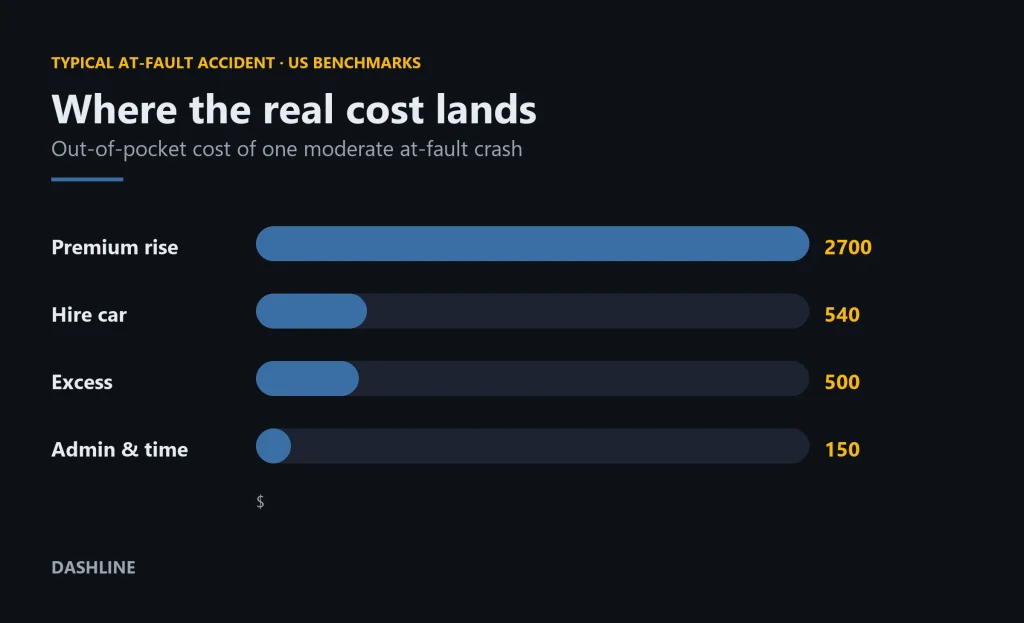
The rules also differ by country and they change over time, so treat this as a starting point, not legal advice. When it matters, it pays to know how to handle the aftermath of a crash and whether footage affects your insurance.
Record with confidence
Lawful by default. Yours to control.
4K evidence, GPS, an audio switch you own, and footage stored locally — no subscription, no cloud, no surprises.
Free EU shipping · 30-day returns · 2-year warranty

Leave a Reply